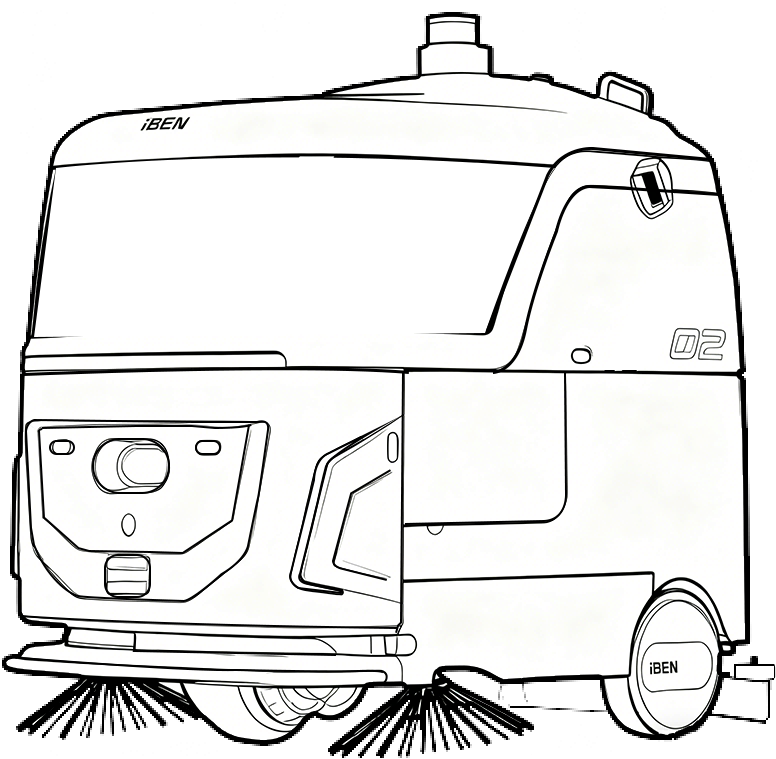
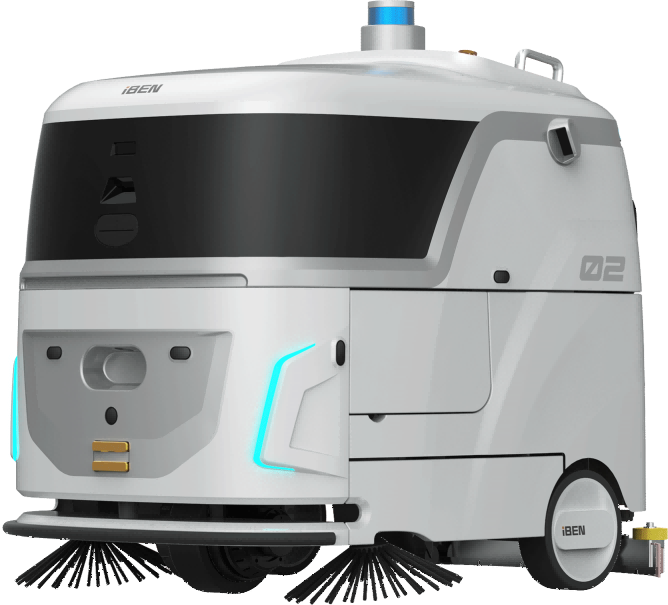
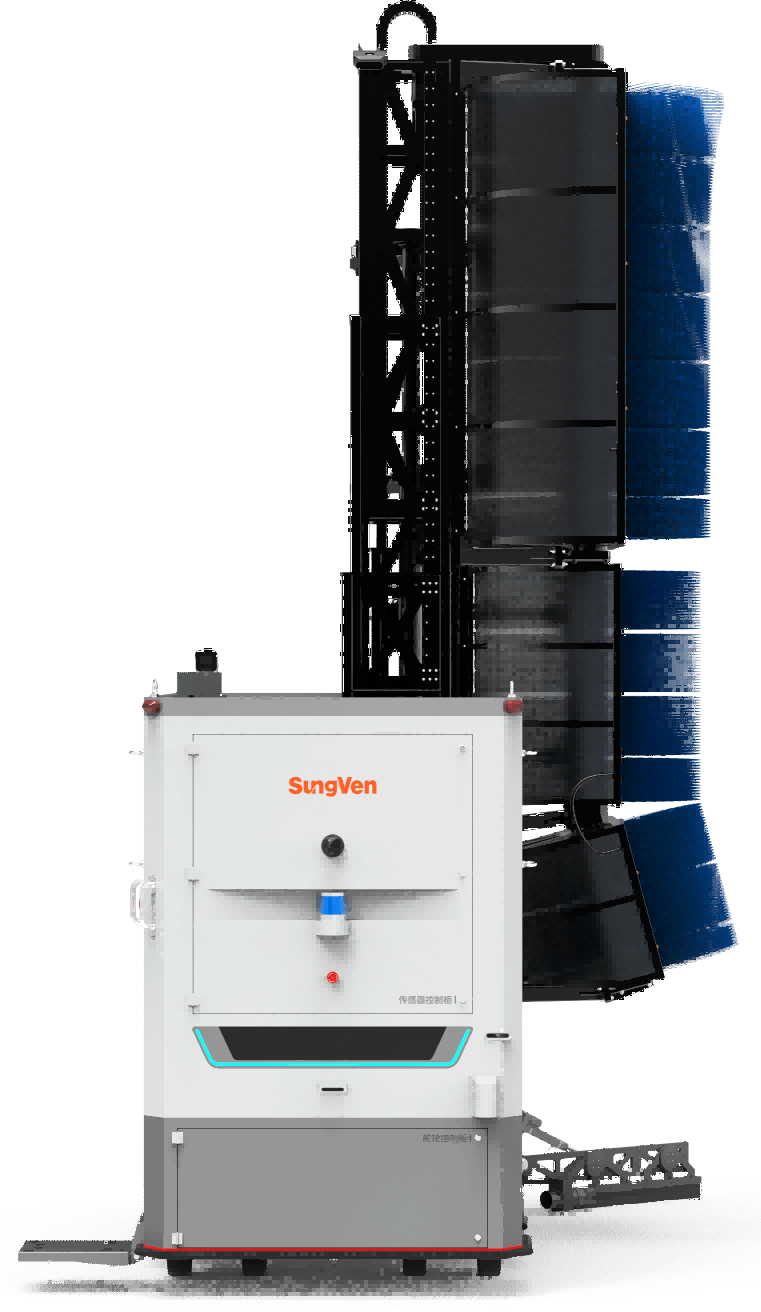
The iconic domestic robot vacuum has defined public perception, but in the industrial realm, the automatic cleaning robot is a different breed entirely. It is a powerful, intelligent, and mission-critical component of modern Smart Factories and Smart Warehouses. This evolution represents a shift from viewing cleaning as a mere maintenance cost to recognizing it as a strategic investment in operational excellence, safety, and compliance. Leading this shift are providers of scenario-based intelligent robot solutions, such as iBenRobot, who are applying proven robotic platforms to solve these industrial challenges. This article explores the advanced technology behind industrial cleaning robots, their transformative applications, and how specific technological advantages can be leveraged for superior outcomes.
Beyond the Vacuum: The Core "Intelligence" of Industrial Cleaning Robots
Industrial-grade cleaning robots are engineered for durability, extended autonomous operation, and resilience in complex environments. Their "intelligence" is not a novelty but a necessity, built upon a robust technological stack shared with other advanced industrial Autonomous Mobile Robots (AMRs).
-
Advanced Navigation & Perception (The Cognitive Core): Safe, reliable navigation in dynamic spaces is paramount. Industrial floors are alive with moving people, forklifts, and shifting inventory. This demands technology like fused laser and visual SLAM navigation systems. This fusion allows the robot to create a precise map and locate itself within it in real-time, using the complementary strengths of laser accuracy and visual context. It is specifically suited for dynamic, human-robot collaborative environments, enabling efficient, obstacle-aware navigation without relying on inflexible, floor-mounted guides.
-
Ruggedized Hardware Platform (The Industrial Body): These robots are built on a reliable, heavy-duty mobile chassis designed for 24/7 operation. They must withstand dust, oil, minor impacts, and varying floor conditions, demanding a level of robustness far beyond consumer products.
-
Centralized Fleet Management (The Strategic Command): The true value is realized at scale. A cloud-based management platform and an intelligent scheduling system allow for the coordination of multiple robots—cleaning and otherwise. Managers can schedule deep cleaning during off-hours, define high-frequency zones, and optimize routes to eliminate overlap and congestion, unlocking system-wide efficiency gains analogous to those achieved in material handling.
Types of Automatic Cleaning Robots for Industrial Settings
The industrial cleaning ecosystem features specialized robots designed for distinct tasks. The table below outlines the primary categories.
| Robot Type |
Primary Function |
Key Features |
Ideal Application Scenarios |
| Industrial Scrubber/Dry Sweeper Robot |
Automated scrubbing, drying, sweeping, and debris collection for large floor areas. |
Large solution/recovery tanks, adjustable brush pressure, high-efficiency filtration, long battery life. |
Warehouse aisles, manufacturing floors, distribution centers, loading docks. |
| Autonomous Disinfection Robot |
Surface and aerial disinfection using UV-C light or vaporized disinfectants (e.g., H₂O₂ mist). |
360° safety sensor arrays for automatic shut-off, precise chemical dosing, operational logs for compliance. |
Pharmaceuticals, food production zones, cleanroom anterooms, healthcare facilities. |
| Specialized & Ad-hoc Cleaners |
Addressing unique challenges like high-pressure washing, facade cleaning, or hazardous material cleanup. |
Customized attachments, ATEX-rated components for explosive atmospheres, high-pressure systems. |
Automotive plants, chemical processing, food manufacturing (grease removal), facility exteriors. |
Key Applications, Benefits, and the iBenRobot Technology Advantage
Deploying automatic cleaning robots delivers a compelling array of operational benefits. When these universal needs are met by a technology platform honed across diverse scenarios—like that of iBenRobot—the solution becomes more robust, integrable, and intelligent.
Universal Operational Benefits:
-
Efficiency & Cost Optimization: Robots automate large-area, repetitive cleaning, reallocating human labor to higher-value tasks. They ensure consistent, scheduled coverage during nights or low-activity periods, maximizing asset utilization.
-
Enhanced Safety & Guaranteed Compliance: Automated processes remove personnel from slip/trip hazards and potential exposure to harsh chemicals or environments. Digital logs of cleaning time, coverage, and methods provide auditable proof for stringent GMP, FDA, or ISO standards in regulated industries like semiconductors, panels, and pharmaceuticals.
-
Data-Driven Facility Management: Robots act as mobile data collectors, identifying persistent spill areas, tracking floor wear, and mapping high-traffic zones. This data transforms maintenance from reactive to predictive.
The iBenRobot Technology Advantage in Cleaning Solutions:
iBenRobot’s expertise, developed through serving over 15,000 enterprise clients with commercial service robots and industrial AMRs, provides a distinct foundation for intelligent cleaning systems:
-
A Navigation Platform Proven in Complex Human Environments: The core navigation and multi-sensor fusion capabilities perfected in dynamic, people-rich settings like museums, hotels, and corporate lobbies are directly applicable to industrial cleaning. Their fused SLAM navigation ensures that a cleaning robot can not only map a warehouse but also safely and efficiently navigate around unexpected obstacles, pallets, and personnel in real-time—a critical requirement for reliable unattended operation.
-
Scalable Intelligence via Cloud Scheduling and Fleet Management: The real power emerges in multi-robot coordination. iBenRobot’s intelligent scheduling system and cloud platform architecture is designed to manage heterogeneous fleets. This means cleaning robots can be intelligently scheduled alongside material-handling AMRs within a unified system. Tasks are prioritized, paths are optimized to prevent interference, and overall facility efficiency is maximized, reflecting the platform's proven ability to significantly boost operational efficiency in logistics operations.
-
Industrial-Grade Adaptation from Design Onset: Moving from commercial to industrial applications requires a deep understanding of environmental challenges. iBenRobot’s design philosophy addresses the need to adapt to harsh physical environments—be it temperature extremes, dust, oil, or the demand for high-precision operation. This ensures that solutions derived from their platform are inherently robust enough for the factory floor from the outset.
Integration Pathways and Strategic Considerations
Successful implementation requires careful planning to overcome common challenges:
-
Navigating Dynamic and Harsh Environments: The initial deployment and mapping phase is crucial. Selecting a robot with proven environmental resistance and advanced SLAM is key to long-term reliability.
-
System Integration and Data Flow: While standalone cleaning is valuable, the future lies in integration. The potential to connect cleaning robots to Warehouse Management Systems (WMS), Manufacturing Execution Systems (MES), or IoT sensor networks (e.g., spill detection sensors triggering a cleaning task) represents the next level of smart facility management.
-
Phased Deployment for Proven ROI: A strategic pilot in a defined area, such as a sensitive packaging zone or a high-traffic warehouse aisle, allows for the measurement of tangible outcomes—labor hours saved, consistency achieved, safety incidents avoided—building the business case for broader fleet expansion.
The Future: AI, Sustainability, and the Fully Connected Facility
The next evolution of industrial cleaning robots is already underway:
-
AI and Machine Learning: Algorithms will enable predictive cleaning schedules based on historical traffic data, automatic identification of stain types for customized treatment, and adaptive behavior for optimal resource use.
-
Sustainability Focus: Development is trending towards robots that use less water and eco-friendly cleaning agents, feature water recycling systems, and prioritize energy efficiency, aligning with corporate ESG goals.
-
The IoT Ecosystem Integration: The cleaning robot will evolve into an active node in the smart factory network, receiving work orders from facility management systems, sharing traffic data with logistics AMRs, and contributing to a holistic, data-rich view of operations.
Conclusion: Elevating Hygiene to a Strategic Intelligent Function
The transition of the automatic cleaning robot from a simple automated tool to an integral component of intelligent infrastructure is complete. For companies aiming to build the smart factories and warehouses of the future, automated, data-driven hygiene is not optional; it is foundational.
Investing in such a system means investing in a proven technological platform. As demonstrated by providers like iBenRobot, the convergence of robust robotics hardware, intelligent SLAM navigation, and cloud-based fleet scheduling software creates a solution that is greater than the sum of its parts. It embodies the mission to combine the practical efficiency of machines with intelligent, adaptive operation. In the critical domain of industrial cleaning, this translates into a strategic asset that safeguards product quality, protects personnel, and unlocks new frontiers of operational intelligence and efficiency.