The hospitality industry is undergoing a quiet revolution. Across lobbies, hallways, and service corridors, hotel service robots are now delivering amenities, greeting guests, and streamlining operations. For many hotel owners and general managers, the question is no longer "Should we automate?" but rather "How do we afford it?"
If you have researched hotel service robot cost, you have likely encountered a wide range of prices—from $10,000 for a basic delivery unit to over $50,000 for advanced multi-function robots. But the sticker price tells only part of the story. The real financial decision facing hoteliers today is this: Should you make a large capital investment to purchase robots outright, or should you opt for a flexible leasing model that preserves cash flow?
This guide provides a comprehensive, data-driven comparison of leasing versus buying, helping you determine which acquisition strategy aligns with your property's financial goals, operational needs, and growth trajectory.
Understanding the True Hotel Service Robot Cost
Before comparing acquisition models, it is essential to understand what "cost" really means in the context of hotel robotics. The purchase price is merely the entry point.
Initial Purchase Price Range
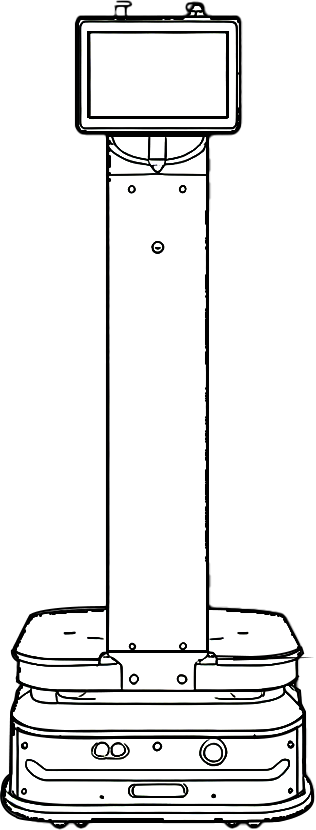
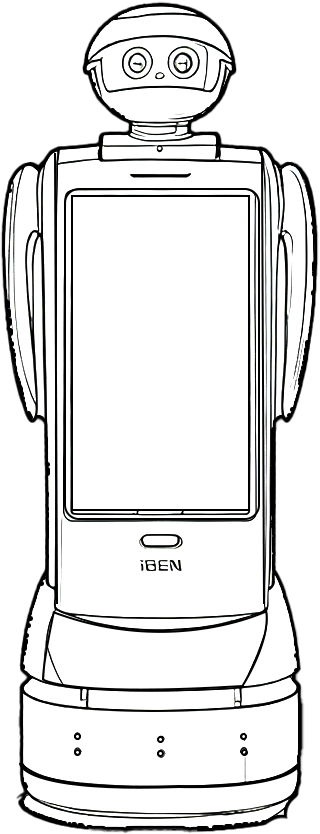
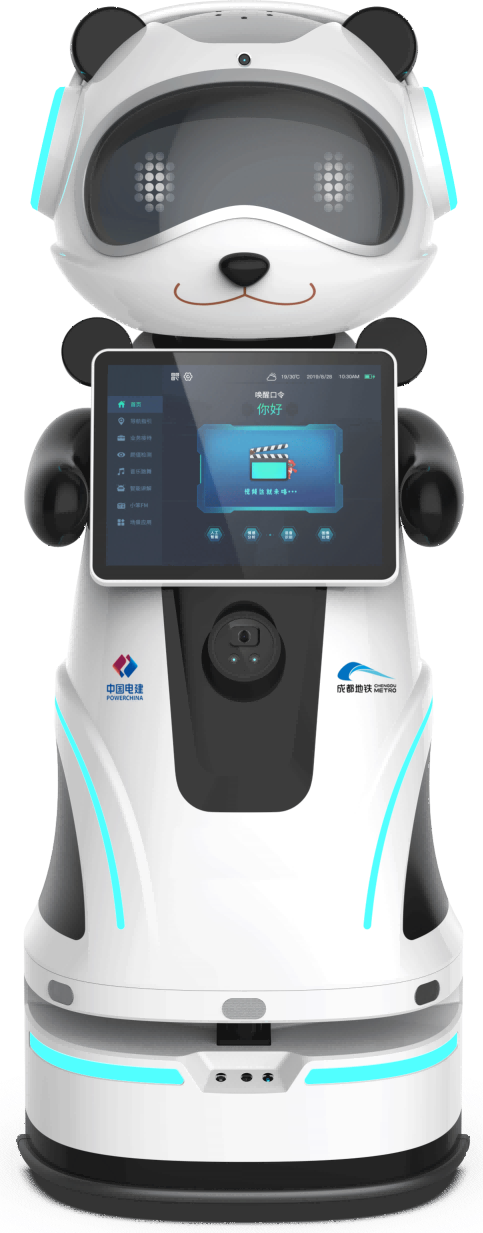
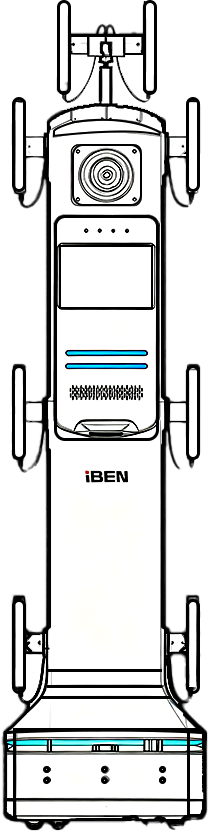
Hotel service robot pricing varies significantly based on functionality, payload capacity, battery life, and software sophistication:
| Robot Type |
Typical Functions |
Price Range (USD) |
| Delivery Robot |
In-room service, food & beverage delivery, luggage transport |
$8,000 – $20,000 |
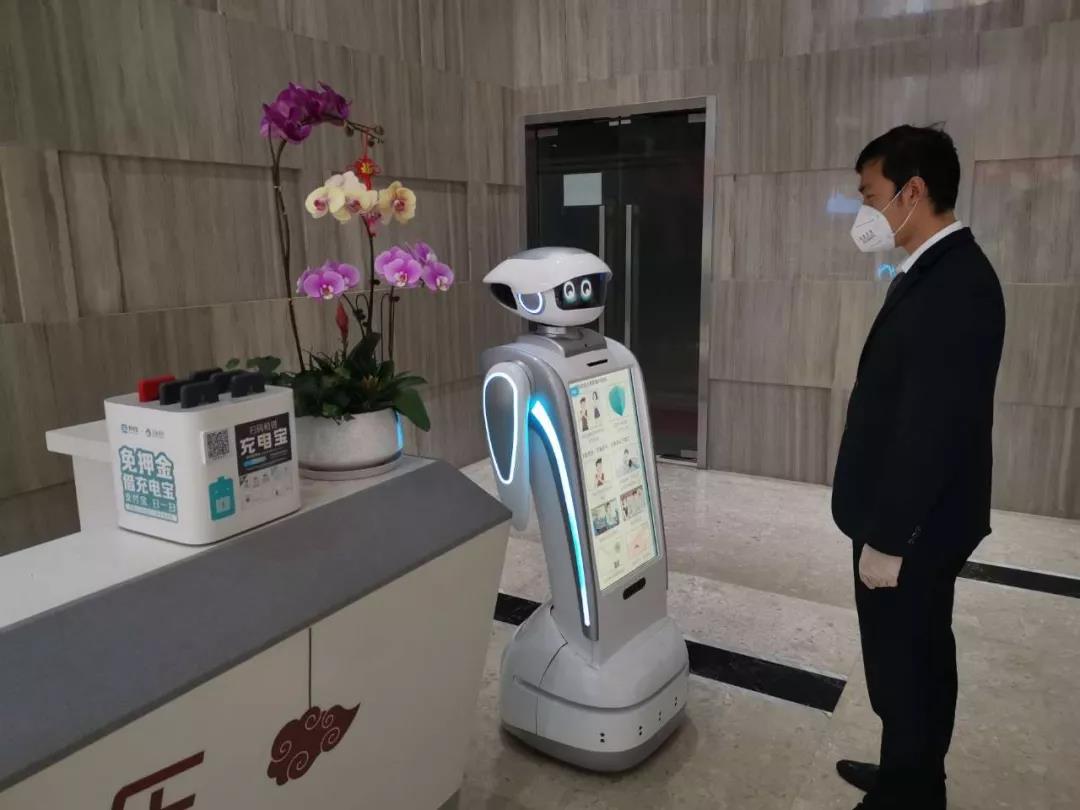
| Concierge Robot |
Guest greeting, information, directions, basic conversation |
$12,000 – $25,000 |
| Multi-Purpose Robot |
Delivery + concierge + promotional capabilities |
$20,000 – $40,000+ |
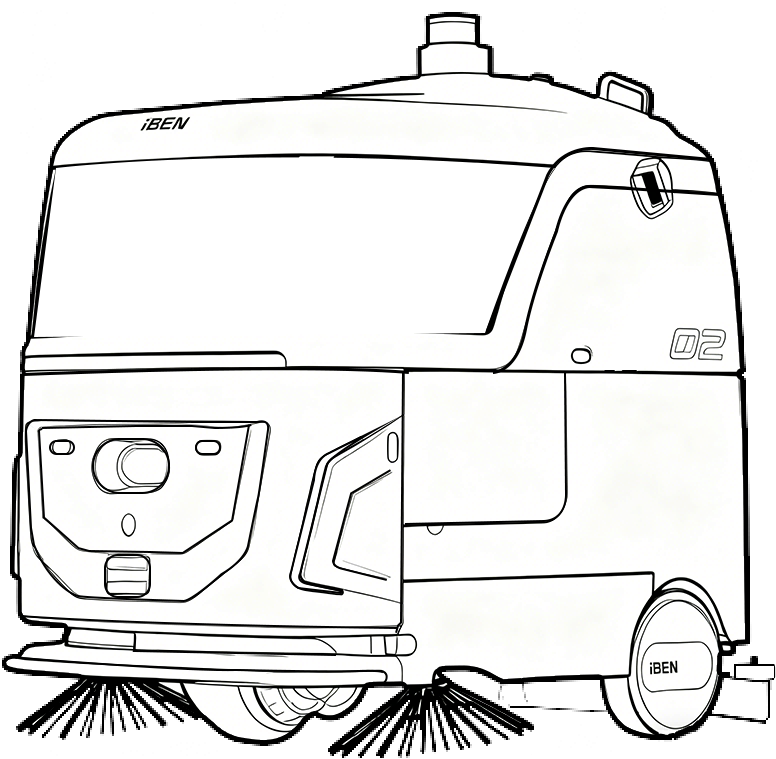
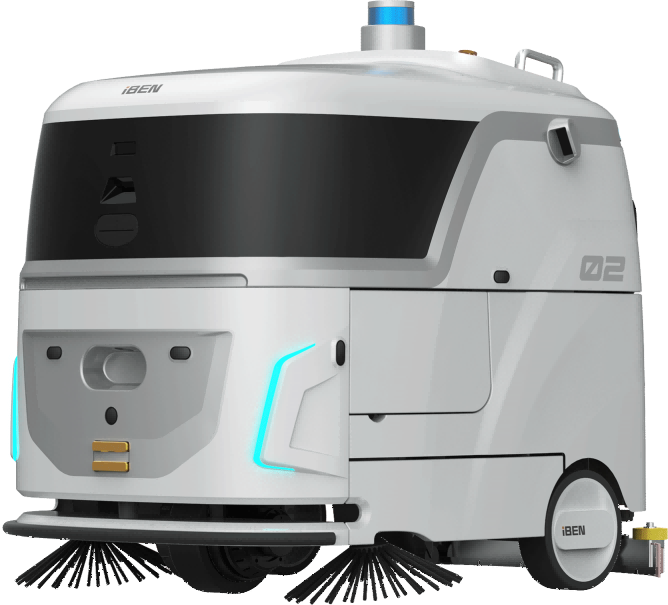
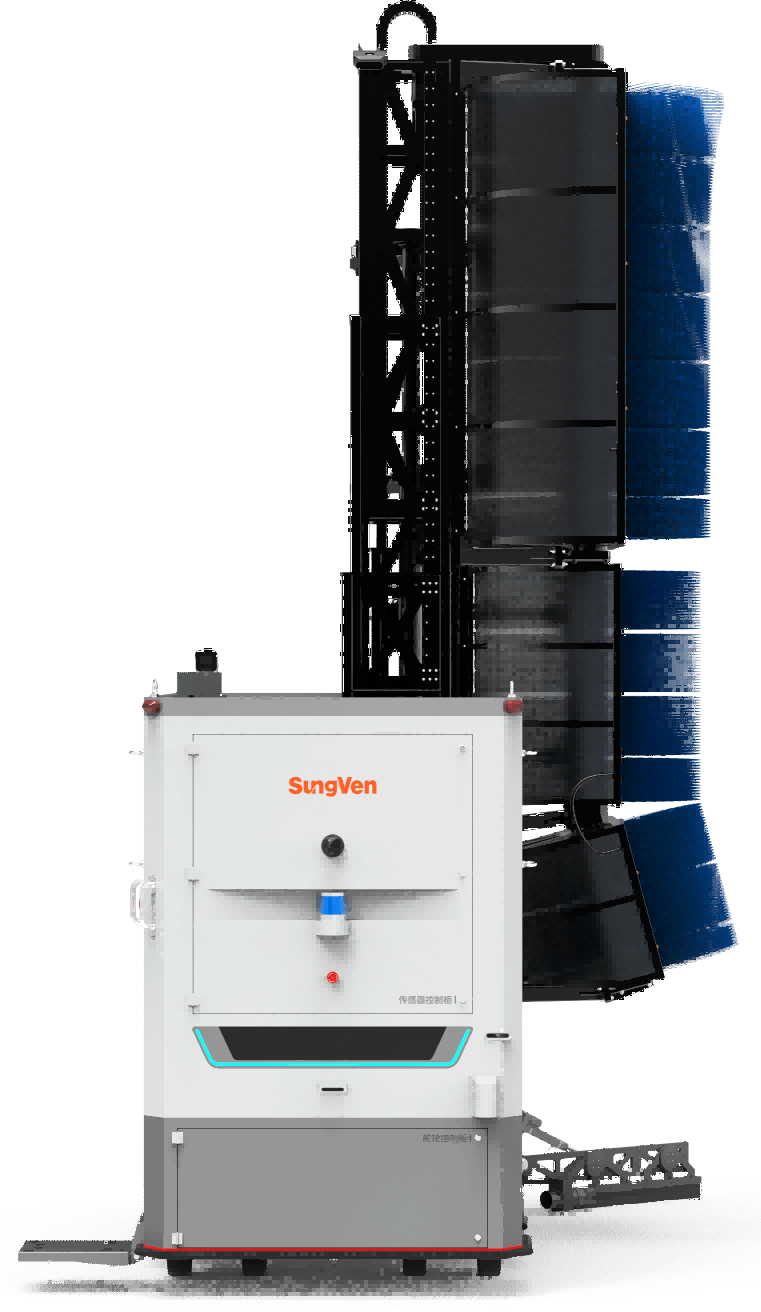
| Cleaning Robot |
Floor cleaning, carpet vacuuming, disinfection |
$15,000 – $35,000 |
These ranges represent typical market rates. However, leading providers like IBEN Robot offer competitive pricing combined with enterprise-grade reliability, backed by thousands of successful deployments worldwide.
Beyond the Sticker: Hidden Costs to Consider
When calculating total cost of ownership, hoteliers must account for several additional factors:
-
Deployment & Integration: Professional on-site setup, environment mapping, and integration with your Property Management System (PMS) can add $1,000–$5,000 depending on complexity.
-
Software & Licensing: Many robots require annual subscriptions for cloud platforms, over-the-air updates, and advanced features. These typically range from $500–$2,000 per robot annually.
-
Maintenance & Repairs: Like any electro-mechanical device, robots require periodic maintenance. Spare parts, labor, and potential downtime should be factored into long-term budgets.
-
Staff Training: Your team needs to understand how to task, monitor, and collaborate with robots. Training costs, while modest, should not be overlooked.
-
Infrastructure Upgrades: Some properties may need WiFi network enhancements or elevator integration hardware, adding $1,000–$10,000 depending on existing infrastructure.
Option 1: Buying a Hotel Service Robot Outright
The traditional approach—making a capital expenditure (CapEx) to purchase robots as tangible assets—remains popular, particularly among larger hotel chains and properties with strong cash reserves.
Advantages of Purchasing
-
Long-Term ROI: Once the robot has paid for itself through labor savings and efficiency gains, every subsequent day of operation contributes directly to your bottom line.
-
Asset Ownership: The robot appears on your balance sheet as a depreciating asset, which can be advantageous for companies with asset-heavy financial strategies.
-
Full Control: You own the hardware outright. There are no contractual restrictions on usage, no monthly fees, and no concerns about meeting minimum usage requirements.
-
Tax Benefits: Depending on your jurisdiction, purchasing may offer depreciation deductions or capital allowance benefits. Consult your financial advisor for region-specific advantages.
Disadvantages of Purchasing
-
High Upfront Investment: A fleet of multiple robots requires significant capital outlay that could otherwise be deployed toward renovations, marketing, or other revenue-generating initiatives.
-
Technology Obsolescence Risk: Robotics technology evolves rapidly. The model you purchase today may be outdated within 2–3 years, but you own it for its full lifecycle.
-
Maintenance Responsibility: You bear all costs and logistical burdens of repairs, spare parts procurement, and technical support.
-
Scalability Challenges: Expanding your fleet means additional large capital outlays. There is no flexibility to add robots seasonally or test new capabilities with minimal investment.
Option 2: Leasing / Robots-as-a-Service (RaaS) Model
The operational expenditure (OpEx) model, commonly known as Robots-as-a-Service or RaaS, has gained tremendous traction in hospitality. This approach treats robotics as a service rather than a capital asset.
How RaaS Works
Under a typical RaaS agreement, you pay a predictable monthly or annual subscription fee that covers:
-
Robot hardware usage rights
-
Software access and continuous updates
-
Preventive maintenance and repairs
-
Technical support and helpdesk access
-
Sometimes deployment and staff training
Contract terms typically range from 12 to 60 months, with options to renew, upgrade, or return equipment at term end.
Advantages of Leasing
-
Lower Entry Barrier: Monthly payments make robotics accessible to properties of all sizes. You can start with one robot and scale as you prove ROI.
-
Predictable OpEx: Fixed monthly costs simplify budgeting and eliminate surprise repair expenses.
-
Always Up-to-Date: At contract renewal, you can upgrade to the latest model with improved capabilities, ensuring your technology never becomes obsolete.
-
Maintenance Included: Your provider handles all maintenance, minimizing downtime and eliminating the need for in-house technical expertise.
-
Scalability Flexibility: Add robots during peak seasons and reduce during slow periods, aligning automation spend with business volume.
-
Risk Mitigation: If robotics don't deliver expected results, you are not stuck with depreciated assets. You simply return the equipment at term end.
Disadvantages of Leasing
-
Higher Long-Term Cost: Over a 3–5 year period, total lease payments may exceed the outright purchase price of the equipment.
-
No Ownership: You never build equity in the hardware. After years of payments, you have no asset to show.
-
Contractual Obligations: Early termination fees can be substantial if your needs change unexpectedly.
-
Usage Limits: Some contracts include monthly usage caps or overage charges, requiring careful monitoring.
Side-by-Side Comparison: Leasing vs. Buying
| Factor |
Buying (CapEx) |
Leasing / RaaS (OpEx) |
| Upfront Cost |
High (full purchase price) |
Low (first month + setup fees) |
| Monthly Payment |
None (after purchase) |
Fixed subscription fee |
| Cash Flow Impact |
Significant initial drain |
Preserves working capital |
| Ownership |
Yes – asset on balance sheet |
No – usage rights only |
| Maintenance Responsibility |
Owner |
Provider |
| Technology Updates |
Manual (buy new robots) |
Included at renewal |
| Tax Treatment |
Depreciation benefits |
Operating expense deduction |
| Contract Flexibility |
None – permanent |
Term-based (12–60 months) |
| Best For |
Stable budgets, long-term use, large chains |
Tight budgets, seasonal demand, testing phase |
Which Model Fits Your Hotel? A Decision Framework
There is no universal "right" answer. The optimal choice depends on your property's unique financial position, operational requirements, and strategic objectives.
You Should Consider BUYING If:
-
Your hotel has available capital reserves and strong cash flow.
-
You plan to utilize the robots for 5+ years without significant technology changes.
-
Your property is part of a large chain that prefers asset ownership and centralized procurement.
-
You have in-house technical staff capable of handling maintenance and troubleshooting.
-
Your financial strategy benefits from asset depreciation and balance sheet growth.
-
You want to avoid recurring monthly operational expenses.
You Should Consider LEASING / RaaS If:
-
You want to test robotics with minimal financial risk before committing to large-scale deployment.
-
Your property experiences seasonal staffing fluctuations and needs flexible automation capacity.
-
You prefer predictable monthly expenses over large, one-time capital outlays.
-
You want access to the latest technology without worrying about obsolescence.
-
Your hotel lacks dedicated technical staff for maintenance and support.
-
You are a boutique or mid-sized property with tighter capital budgets.
-
You value the convenience of an all-inclusive service package.
Case Example: How IBEN Robot Makes Acquisition Flexible
IBEN Robot understands that every hotel has unique financial circumstances and operational priorities. With over 2,000 enterprise clients served and more than 800 robots deployed in healthcare settings alone—environments with demanding reliability requirements—IBEN brings proven expertise to the hospitality sector.
IBEN offers both purchasing and flexible RaaS options, allowing hoteliers to choose the model that best fits their strategy:
-
For Properties Buying Outright: IBEN's robots feature modular, durable design and come with comprehensive documentation for in-house maintenance teams. Their rapid deployment capability—often completing setup within a single day—minimizes disruption and gets robots working for you immediately.
-
For Properties Leasing: IBEN's RaaS packages include the robot, software access, maintenance, and support in a single monthly payment. This model has proven particularly popular among boutique hotels and properties testing automation for the first time.
IBEN's global service network ensures responsive support regardless of your acquisition model. Their robots incorporate dual SLAM navigation (Laser + VSLAM) for reliable operation in complex hotel environments, 360° perception for safe guest interaction, and multi-modal communication capabilities that enhance guest experience.
Whether you choose to buy or lease, IBEN's team can provide a customized financial analysis showing projected ROI based on your property's specific staffing costs, room count, and service volumes.
Additional Financial Considerations
ROI Calculation Basics
To evaluate either acquisition model, calculate your expected return:
Simple ROI Formula:
(Monthly labor savings + efficiency gains + revenue opportunities) ÷ Total monthly cost
Example Scenario:
| Metric |
Buy Scenario |
Lease Scenario |
| Upfront Investment |
$25,000 |
$1,500 (first month) |
| Monthly Cost |
$0 (after purchase) |
$800 |
| Monthly Labor Savings |
$2,500 |
$2,500 |
| Monthly Net Benefit |
$2,500 |
$1,700 |
| Payback Period |
10 months |
Immediate positive cash flow |
In this example, buying delivers higher long-term returns, while leasing provides immediate cash flow positivity and lower risk.
Questions to Ask Before Signing
Before committing to any agreement, ensure you have clarity on these points:
-
What exactly is included in the monthly fee? (Hardware? Software? Maintenance? Support?)
-
Are all software updates included, or are major upgrades charged separately?
-
What is the guaranteed response time for maintenance issues?
-
Can we upgrade to newer models during the contract term?
-
What are the early termination penalties?
-
Is staff training included, or is it an additional cost?
-
Are there any usage limits or overage charges?
-
What happens at contract end? Can we purchase the equipment?
Conclusion: Making the Smart Financial Choice
The decision to acquire a hotel service robot is no longer about whether automation makes sense—it clearly does. The question is how to structure the acquisition for maximum financial benefit.
Buying makes sense for properties with available capital, long-term horizons, and the desire to build equity in automation assets. The higher upfront investment is rewarded with lower lifetime costs and eventual ownership.
Leasing/RaaS makes sense for properties prioritizing cash flow preservation, flexibility, and risk minimization. The slightly higher long-term cost is the price of agility and peace of mind.
Leading providers like IBEN Robot make both paths available, ensuring that hotels of all sizes and financial profiles can access the transformative benefits of service robotics. With proven technology, rapid deployment capabilities, and flexible acquisition options, IBEN removes the barriers that have historically prevented properties from embracing automation.
The right choice depends on your hotel's unique circumstances. Start by analyzing your financial position, operational needs, and growth plans. Then select the acquisition model that maximizes value—not just today, but for years to come.
Ready to explore your options? Visit
https://en.ibenrobot.com/ to request a customized quote and ROI analysis tailored specifically to your property.