Introduction: The Hidden Cost of Walking in Warehouses
Every day, skilled workers in warehouses and manufacturing plants spend hours walking to fetch parts, components, and tools. A machinist earning €50 per hour walks 5 km to collect raw materials. An electronics technician leaves their station 15 times per shift to retrieve circuit boards.
What is the cost of all this walking? It is enormous – and largely invisible on traditional profit-and-loss statements.
This is where delivery robot cost-effectiveness becomes a strategic advantage. A light‑duty autonomous mobile robot (AMR) for internal parts delivery can eliminate walking time, allowing skilled workers to focus on value‑added tasks. With payback periods often under six months, delivery robots offer one of the fastest returns in warehouse automation.
What Is a Delivery Robot for Warehouse Internal Parts Delivery?
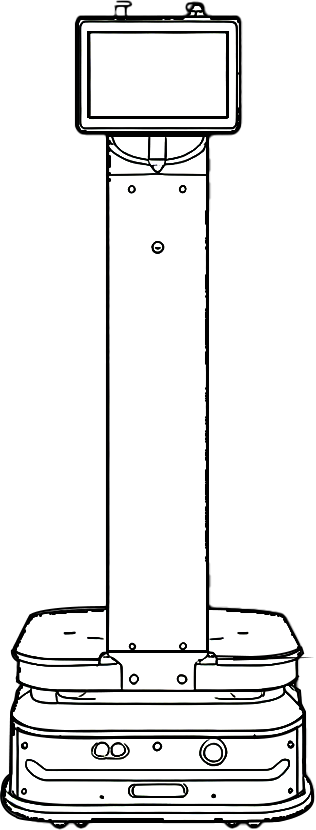
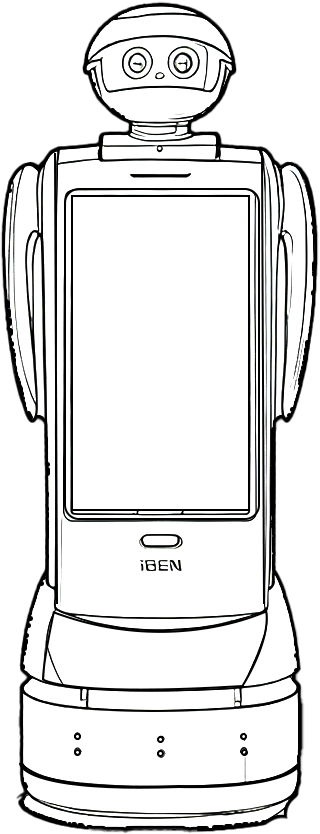
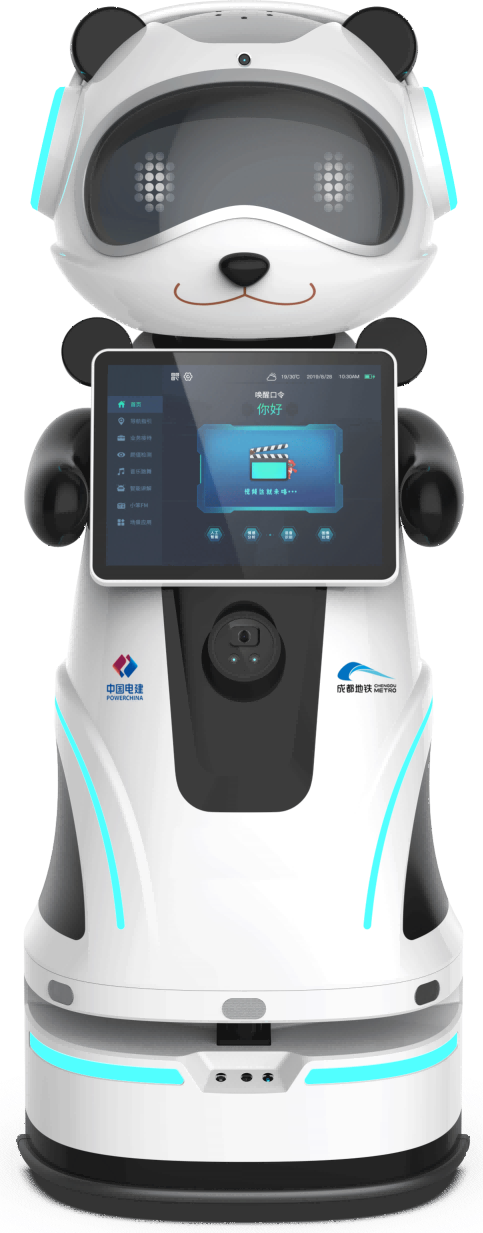
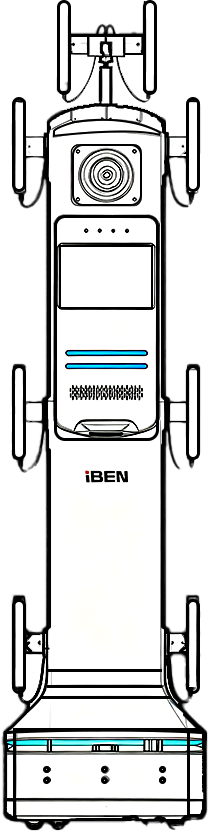
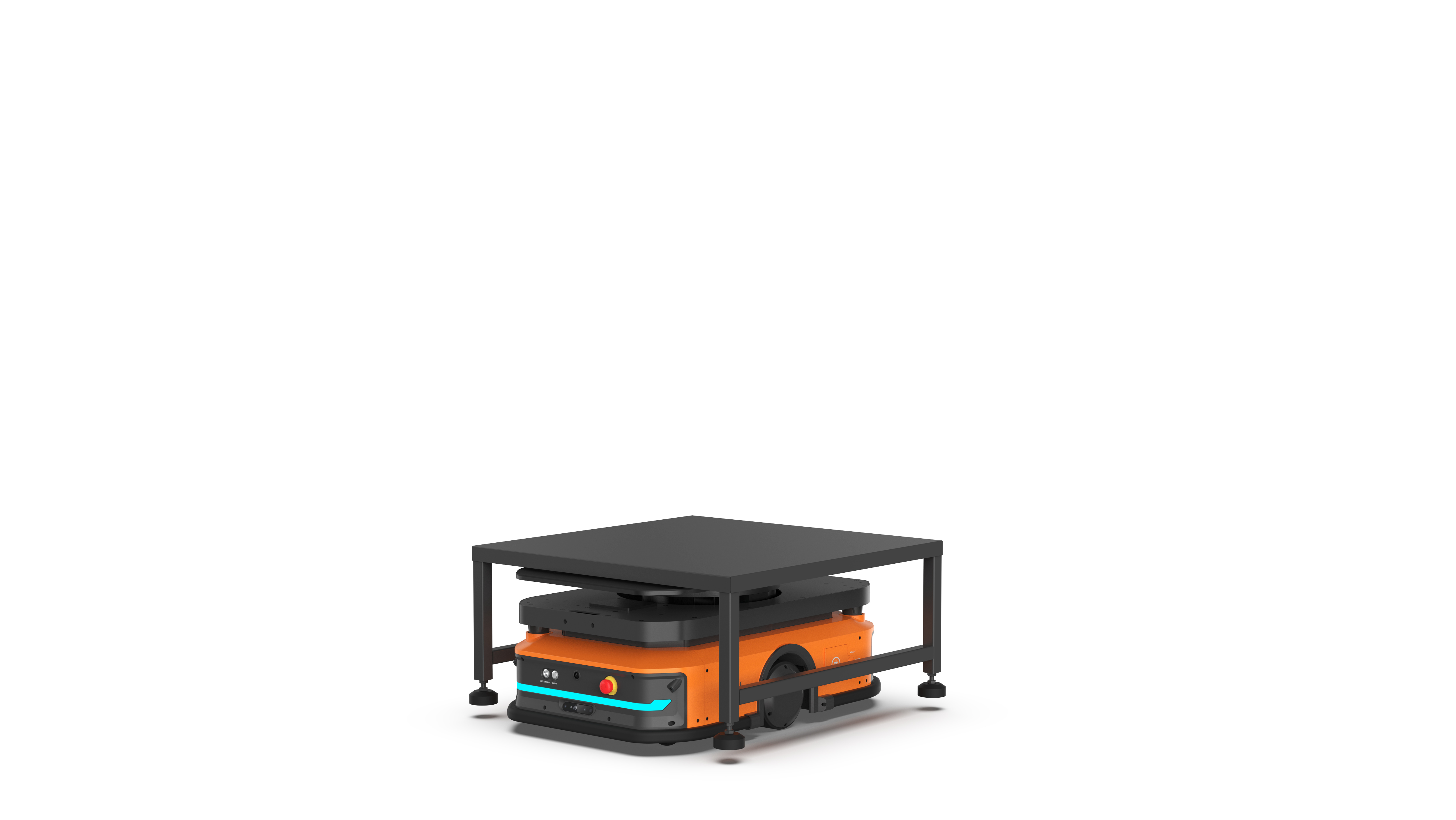
A delivery robot for warehouse internal parts delivery is an AMR designed to transport components, tools, and supplies between workstations, assembly lines, storage areas, and quality control stations.
Typical specifications: Payload 50–200 kg, laser SLAM + VSLAM navigation (no infrastructure required), speed 0.5–1.5 m/s, battery life 6–10 hours with auto‑charging. The robot can carry shelves, bins, totes, or small pallets, and integrates with call buttons or warehouse management systems.
Unlike traditional AGVs that require magnetic tape or reflectors, modern delivery robots navigate using natural features – walls, pillars, machinery. This means zero facility modification and the ability to change routes instantly when warehouse layouts evolve.
Breaking Down Delivery Robot Cost-Effectiveness
The Cost of Manual Parts Delivery
Before calculating robot ROI, understand the true cost of having skilled workers walk for parts.
A skilled worker in Germany or Western Europe costs €40–€70 per hour fully loaded (including benefits, taxes, insurance). Most workers spend 2–5 hours per day walking to fetch parts. That translates to €20,000 – €87,500 per worker per year in walking time alone. On top of that, there is the opportunity cost: during those walking hours, the worker is not assembling products, inspecting quality, or operating machines.
Example: A €50/hour technician who walks 4 hours per day costs €50,000 per year in walking time – the equivalent of losing 100 full working days of productive labor annually.
The Investment in a Delivery Robot
A light‑duty AMR (50–200 kg, laser SLAM) costs between €12,000 and €25,000. Adding shelves, basic integration (call buttons, WMS link), and training brings the total turnkey investment to €15,000 – €35,000 per robot.
Annual operating costs (electricity, preventive maintenance, spare parts) are approximately €1,500 – €2,500 per robot.
ROI Calculation: Payback Period for Delivery Robots
Base Case Example
Assume a skilled worker earning €50/hour, saving 4 hours of walking time per day with one delivery robot. Operating 250 days per year:
-
Daily labor savings: 4h × €50 = €200
-
Annual labor savings: €200 × 250 = €50,000
-
Less annual operating cost (€2,000) = €48,000 net savings
-
Robot investment: €20,000
-
Payback period: 5 months
Even with a more conservative scenario – €25,000 robot saving only 3 hours per day – payback remains under 7 months. In many real-world deployments, payback is 3–6 months.
Key Factors That Improve Payback
| Factor |
Impact on Payback |
| Higher labor cost (€60–70/h) |
Payback under 4 months |
| More walking hours saved (5–6 h/day) |
Payback under 4 months |
| Multiple workers served by one robot |
Payback under 3 months |
| Lower robot investment (€15k) |
Payback under 5 months |
The single most important variable is how many walking hours you eliminate per day. A robot that serves two workers (each saving 2 hours) doubles the savings.
Real-World Example: Electronics Assembly Plant
Scenario: A mid‑sized electronics manufacturer in southern Germany operates 8 SMT assembly lines. Each line has a skilled technician who assembles PCBs. Central component storage is 150 meters from the farthest line.
Before automation: Each technician spent 3.5 hours per shift walking to fetch components. For 8 technicians at €55/hour, daily walking cost was €1,540. Annual cost (220 working days): €338,800.
Solution: The company deployed 4 light‑duty delivery robots at €18,000 each – total investment €72,000. Each robot serves 2 assembly lines. Integration included call buttons at each station.
Results: Technician walking time dropped from 3.5 hours to 0.5 hours per shift – a saving of 3 hours daily per technician. Daily labor savings: 8 × 3h × €55 = €1,320. Annual savings: €290,400. Robot annual operating cost: €6,000. Net annual savings: €284,400. Payback period: 3.0 months.
Additional benefits: Production output increased by 14%, technician satisfaction improved, and defect rates dropped slightly (0.8%) due to reduced rushing.
When Is Delivery Robot Cost-Effectiveness Highest?
Delivery robots deliver maximum ROI under these conditions:
-
High labor cost regions – Germany, Scandinavia, Benelux, North America. Hourly rates €40+ make walking expensive.
-
Skilled, expensive workers – Engineers, technicians, machinists. Their time is far more valuable than general laborers.
-
Long walking distances – Warehouses over 5,000 m² or multi‑building campuses. Each trip takes over 5 minutes.
-
Frequent, repeatable deliveries – Same parts to same stations multiple times per shift. Robot routes become predictable and efficient.
-
High throughput requirements – Delivery robots eliminate bottleneck waiting times, increasing overall production.
-
Dynamic layouts – SLAM robots adapt instantly; no tape or reflectors to reinstall.
Potential Pitfalls That Reduce Cost-Effectiveness
Even a technically capable robot can fail to deliver ROI if not deployed correctly. Common pitfalls include:
Poor integration with workflow – If workers cannot easily request a delivery (e.g., no call button), they will continue walking. Mitigation: Install call buttons or tablets at every station; integrate with WMS for automated task creation.
Insufficient robot uptime – If the robot is often charging or stuck, workers bypass it. Mitigation: Choose auto‑charging robots with at least 6 hours of runtime; consider redundant units for critical paths.
Complex navigation environment – Narrow aisles, dynamic obstacles (forklifts, people), or poor lighting can cause frequent stops. Mitigation: Ensure the robot uses laser SLAM + VSLAM with proven dynamic obstacle handling; test in your environment before committing.
Lack of worker training – Workers may distrust or ignore the robot. Mitigation: Provide 30‑minute hands‑on training; appoint robot champions on each shift.
Underestimating maintenance – Unexpected downtime and repair costs. Mitigation: Purchase an annual maintenance contract (€1,000–2,000 per robot); keep essential spare parts.
Incorrect robot sizing – Too small payload or too slow speed for your parts. Mitigation: Conduct a time‑motion study before selecting the model.
How to Maximize Delivery Robot Cost-Effectiveness
Follow these steps to ensure your delivery robot investment delivers maximum returns.
-
Start with a pilot. Deploy 1–2 robots on the busiest routes. Measure actual walking time saved and worker acceptance before scaling.
-
Measure baseline walking time. Use time‑motion studies or simple stopwatch observations. Accurate baseline data is essential for ROI calculation.
-
Choose zero‑infrastructure navigation. Laser SLAM + VSLAM robots avoid costly floor modifications (tapes, reflectors, QR codes). This reduces upfront investment and preserves flexibility.
-
Optimize robot routes. Sequence deliveries to minimize empty return trips. For example: robot picks up parts from central storage, delivers to Station A, then B, then C, then returns with empty totes.
-
Train workers as champions. Involve line workers in deployment. Provide clear instructions and a feedback channel. Workers who feel ownership will use the robot consistently.
-
Monitor and refine. Track robot utilization, worker wait times, and delivery accuracy monthly. Adjust routes and schedules as production patterns change.
Comparison Summary: Manual Delivery vs. Delivery Robot
Instead of a detailed table, here are the key differences:
-
Hourly cost: Manual delivery costs €40–70 per hour (fully loaded worker). A delivery robot costs about €1–2 per hour (energy + maintenance).
-
Availability: A human works 8 hours per shift; a robot works 24/7 with auto‑charging.
-
Error rate: Manual delivery has 1–5% error rate (wrong part, wrong station) due to fatigue. Robots achieve under 0.5% error.
-
Walking distance: A human walks 5–15 km per day. The robot walks zero – the worker stays at their station.
-
Scalability: To increase capacity, you hire more staff (€40k–70k annually each) or add robots (€15k–25k one‑time).
-
Payback period: Not applicable for humans. For robots, it is 3–8 months.
In almost every measurable metric, delivery robots outperform manual parts delivery for repetitive, scheduled internal transport.
FAQs About Delivery Robot Cost-Effectiveness
Q1: What is the typical price of a light‑duty delivery robot for warehouses?
Prices range from €12,000 to €25,000 for a 100–200 kg payload AMR with laser SLAM navigation. Turnkey installation (including shelves, basic integration, and training) adds €2,000–8,000.
Q2: How long do delivery robot batteries last?
Most robots run 6–10 hours per charge and auto‑return to charging stations. With opportunity charging, they can operate 24/7. Batteries last 3–5 years; replacement costs €800–1,500.
Q3: Can one delivery robot serve multiple workstations?
Yes. A single robot can perform multi‑stop missions: pick up parts from central storage, deliver to Station A, then B, then C, and return. Advanced fleet management allows multiple robots to coordinate.
Q4: Is a delivery robot cost‑effective for a small warehouse (under 2,000 m²)?
Yes, if skilled workers are walking more than 2 hours per day. For a single technician earning €60,000/year, a €15,000 robot saving 2.5 hours/day pays back in under 6 months.
Q5: How does delivery robot cost‑effectiveness compare to conveyor systems?
Conveyors require high upfront investment (€100k–500k), fixed paths, and major facility changes. Delivery robots are flexible, lower cost, and can be redeployed when layouts change. For most warehouses under 20,000 m², robots are more cost‑effective.
Q6: What is the expected lifespan of a delivery robot?
With proper maintenance (annual inspections, battery replacement every 3–5 years), a light‑duty AMR typically lasts 5–8 years.
Q7: Where can I see delivery robots in action for warehouse parts delivery? Visit
https://en.ibenrobot.com/ for product specifications, case studies, and to request a live demo or site visit.
Conclusion: The Verdict on Delivery Robot Cost-Effectiveness
For warehouses seeking to maximize the productivity of skilled workers, delivery robots offer exceptional cost‑effectiveness. With payback periods typically under 8 months – and often as low as 3–5 months – the investment case is clear. A €20,000 robot can save €50,000 annually in walking time alone, while also improving production throughput and worker satisfaction.
The key to success is seamless integration with existing workflows, reliable navigation technology (laser SLAM + VSLAM with zero infrastructure), and proper worker training. When these elements are in place, a delivery robot is not just a material transport device – it is a tool to keep your most valuable employees focused on high‑value work.
The cost of walking is real. Delivery robots eliminate it.
Ready to Calculate Your Warehouse ROI?
IBEN provides free cost‑effectiveness analysis and onsite demonstrations. Our team will measure your baseline walking time, recommend the right robot configuration, and provide a customized ROI projection for your facility.