Introduction
The hospitality industry is undergoing a profound digital transformation. Rising labor costs, increasing guest expectations, and the demand for contactless services are pushing hotels to adopt intelligent automation. As a result, more hotel operators are searching for a reliable
hotel Commercial Service Robot solution that can enhance efficiency while elevating the guest experience.
A hotel commercial service robot is no longer a novelty attraction placed in a lobby for marketing purposes. Today, it plays a functional role in room delivery, concierge assistance, guest interaction, and operational support. From boutique hotels to large international chains, robotic automation is becoming a strategic investment rather than an experimental upgrade.
This guide explores what a hotel commercial service robot truly offers, the technology behind it, and how to select the right solution for long-term hospitality success.
What Is a Hotel Commercial Service Robot?
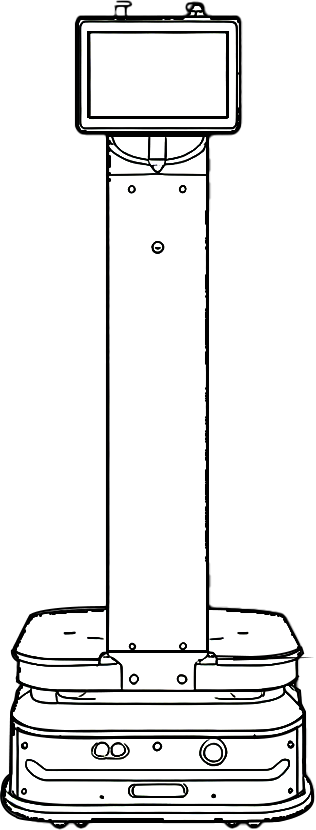
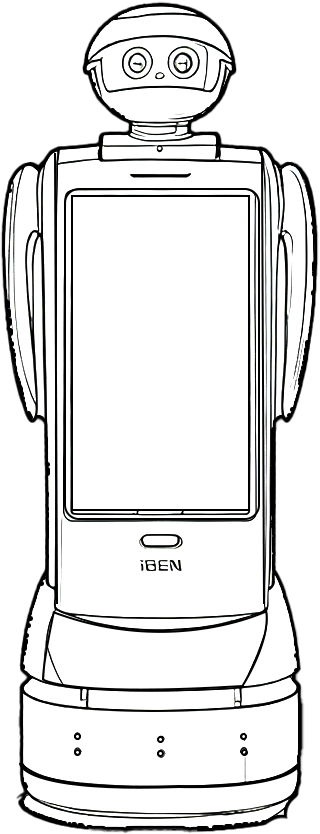
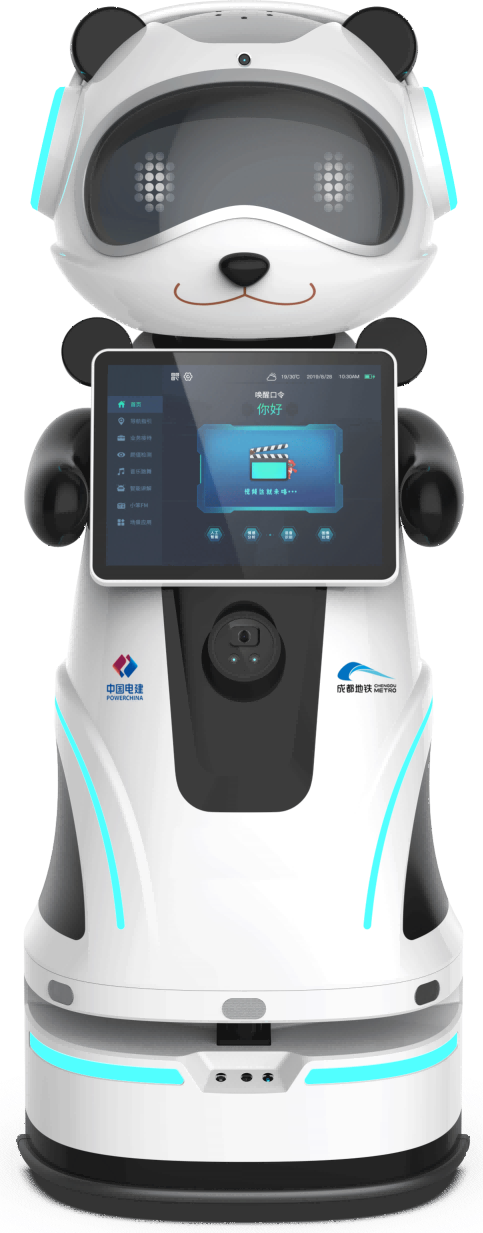
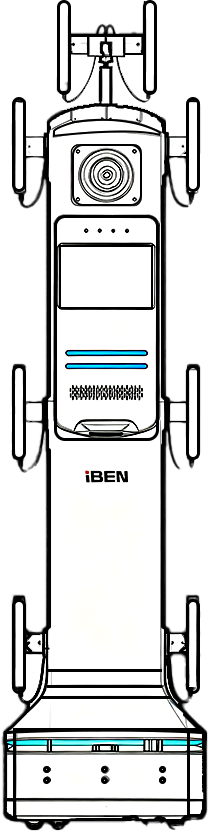
A hotel commercial service robot is an autonomous mobile robot designed specifically for hospitality environments. Unlike industrial robots, these systems prioritize human interaction, safety, and aesthetic design while maintaining high navigation accuracy and operational stability.
Modern hotel robots combine autonomous mobility, AI-driven interaction, secure delivery compartments, and cloud-based management systems. They operate in dynamic environments filled with guests, staff, and changing layouts, requiring both technical precision and social adaptability.
Core Technologies Powering Smart Hotel Robots
At the heart of every advanced hotel Commercial Service Robot is autonomous navigation technology. Most modern systems use Laser SLAM and Vision SLAM fusion to create accurate indoor maps without requiring magnetic tracks or structural modifications. This allows hotels to deploy robots quickly without interrupting daily operations.
Multi-sensor perception systems—including 360-degree lidar, depth cameras, and ultrasonic sensors—enable real-time obstacle detection. These sensors ensure safe navigation in crowded lobbies, narrow corridors, and elevator spaces.
AI-powered dialogue systems support natural interaction. Robots can greet guests, answer frequently asked questions, provide directions, and deliver customized messages. With integration of large language models, interaction becomes more conversational and context-aware.
Cloud-based fleet management platforms allow hotel managers to monitor robot status, assign tasks, analyze service data, and coordinate multiple units across different floors or buildings.
Main Service Functions in Hotel Environments
A hotel commercial service robot performs multiple operational roles. The most common application is autonomous room delivery. Robots transport food, beverages, toiletries, or other amenities directly to guest rooms, ensuring contactless service and consistent delivery speed.
In addition to delivery, robots can provide guidance and concierge support. They greet guests in the lobby, escort visitors to conference rooms, and introduce hotel facilities. Through touchscreen interfaces and voice interaction, guests can request assistance easily.
Multi-floor operation is another critical function. Advanced robots integrate with elevator control systems, allowing them to navigate between floors independently. Secure compartment systems ensure items are accessible only to the intended recipient, maintaining privacy and safety.
These functions transform the robot into a reliable operational assistant rather than a simple promotional device.
Why Hotels Are Adopting Commercial Service Robots
The growing interest in hotel commercial service robots is driven by measurable operational benefits.
Labor Optimization and Operational Efficiency
Hospitality businesses face ongoing labor shortages and rising staffing costs. Robots reduce repetitive delivery tasks, enabling hotel staff to focus on personalized guest services and complex operational duties.
Because robots operate continuously without fatigue, they provide consistent service performance throughout the day. Automated task scheduling ensures faster response times compared to manual dispatching, especially during peak hours.
By reallocating human resources to higher-value activities, hotels improve productivity without compromising service quality.
Enhancing Guest Experience and Brand Image
Modern travelers appreciate innovation and convenience. Deploying a hotel commercial service robot demonstrates a commitment to technological advancement and smart hospitality.
Contactless delivery enhances hygiene standards and meets evolving guest expectations for safety and privacy. Robots also create memorable interactions, particularly in technology-forward markets.
In competitive hospitality markets, a well-implemented robotic solution strengthens brand differentiation and supports premium positioning.
24/7 Reliability and Safety Compliance
Advanced hotel robots incorporate multiple safety mechanisms, including dynamic obstacle avoidance, emergency stop systems, and collision prevention algorithms. These features ensure safe coexistence with guests and staff.
Automatic charging functions allow robots to return to docking stations when battery levels are low, maintaining uninterrupted service availability.
Operational consistency and safety compliance contribute to long-term reliability and trust.
Key Factors to Consider When Choosing a Hotel Commercial Service Robot
Selecting the right solution requires evaluating technical performance, integration capability, and long-term service support.
Navigation Accuracy and Indoor Adaptability
A high-quality hotel commercial service robot must navigate accurately within complex indoor environments. Laser + Vision SLAM fusion enhances positioning precision and map stability.
Adaptability is essential in hotels where furniture layouts and temporary installations may change. Robots must dynamically adjust routes without requiring remapping from scratch.
Payload Capacity and Compartment Design
Different hotel categories require different delivery capacities. Luxury properties may prioritize aesthetic design and silent operation, while large business hotels may focus on multi-compartment functionality for efficient batch deliveries.
Secure compartment systems should include digital locks or verification mechanisms to ensure safe item retrieval.
Elevator Integration and System Compatibility
Multi-floor navigation is critical in hospitality settings. Reliable elevator integration ensures smooth vertical mobility without staff intervention.
Compatibility with property management systems (PMS) and other IT infrastructure allows seamless task coordination and data synchronization.
After-Sales Service and Remote Management
Long-term operational stability depends on responsive technical support. Remote diagnostics, software updates, and cloud monitoring reduce downtime and maintenance costs.
Below is a simplified evaluation framework:
| Evaluation Criteria |
Importance |
| SLAM Navigation Accuracy |
Ensures safe and stable movement |
| Multi-Sensor Safety |
Protects guests and staff |
| Elevator Integration |
Enables full-building coverage |
| Secure Compartments |
Maintains privacy and safety |
| Cloud Fleet Management |
Supports multi-robot coordination |
| Technical Support |
Guarantees long-term reliability |
IBEN Hotel Commercial Service Robot Solutions
IBEN is dedicated to creating truly valuable robotic products and solutions. With years of experience in service robotics, IBEN integrates hardware engineering, AI algorithms, and cloud platforms into a unified hospitality solution.
AI-Powered Autonomous Navigation
IBEN robots utilize advanced SLAM fusion navigation combined with multi-sensor perception systems. This ensures stable operation in high-traffic hotel environments while maintaining smooth movement and accurate docking.
Distributed scheduling architecture enables efficient coordination when multiple robots operate simultaneously.
Customizable Branding and Interaction Experience
IBEN provides flexible customization options, including exterior design, interface themes, voice content, and service scripts. Hotels can align robotic interactions with brand identity and service standards.
AI-driven dialogue systems enhance guest engagement, making interactions natural and intuitive.
Cloud-Based Fleet and Data Management
Through a centralized cloud platform, hotel managers can monitor robot performance, track delivery statistics, and optimize service workflows.
Fleet management tools enable task allocation across multiple robots, improving response times and service coverage in large properties.
ROI and Long-Term Strategic Value for Hotels
Investing in a hotel commercial service robot provides measurable financial and strategic returns. Operational efficiency improves as delivery times decrease and staffing demands are optimized.
Enhanced guest satisfaction supports positive reviews and brand loyalty. Automation also prepares hotels for future digital transformation initiatives, including smart building integration and data-driven service management.
Because modern robots require minimal structural modification, deployment is faster and less disruptive than traditional automation systems.
Why IBEN Is a Trusted Hotel Commercial Service Robot Provider
Founded in 2016, IBEN has built a strong foundation in intelligent service robotics. With extensive R&D investment and a full-stack technology platform, IBEN delivers reliable, scalable solutions tailored for hospitality environments.
By combining advanced navigation, AI interaction systems, and cloud-based fleet management, IBEN offers a comprehensive hotel commercial service robot solution rather than standalone hardware.
For hotels seeking operational efficiency, enhanced guest experience, and long-term scalability, IBEN provides a trusted partnership in smart hospitality automation.
Conclusion
A hotel commercial service robot represents more than technological innovation—it is a strategic tool for operational excellence and brand differentiation. As hospitality continues to evolve toward intelligent and contactless service models, robotic solutions will play an increasingly central role.
With advanced navigation, customizable interaction, and scalable fleet management capabilities, IBEN enables hotels to embrace smart automation with confidence.
For hospitality operators ready to modernize service delivery and optimize efficiency, adopting a hotel commercial service robot is a forward-looking investment in the future of hospitality.