Interactive service robots are rapidly becoming an important part of modern business operations. From exhibition halls and museums to retail stores, hospitals, and airports, these intelligent machines are helping organizations improve efficiency, enhance customer engagement, and deliver consistent service experiences.
However, when companies consider deploying robots, one critical question often arises: what is the interactive service robot maintenance cost over the long term?
Understanding maintenance costs is essential because robots are long-term operational assets. While the initial purchase cost is important, businesses must also evaluate the total cost of ownership, including software updates, hardware maintenance, spare parts, and operational support.
This guide explains the key factors that influence interactive service robot maintenance cost, helping enterprises make informed automation decisions.
What Is an Interactive Service Robot?
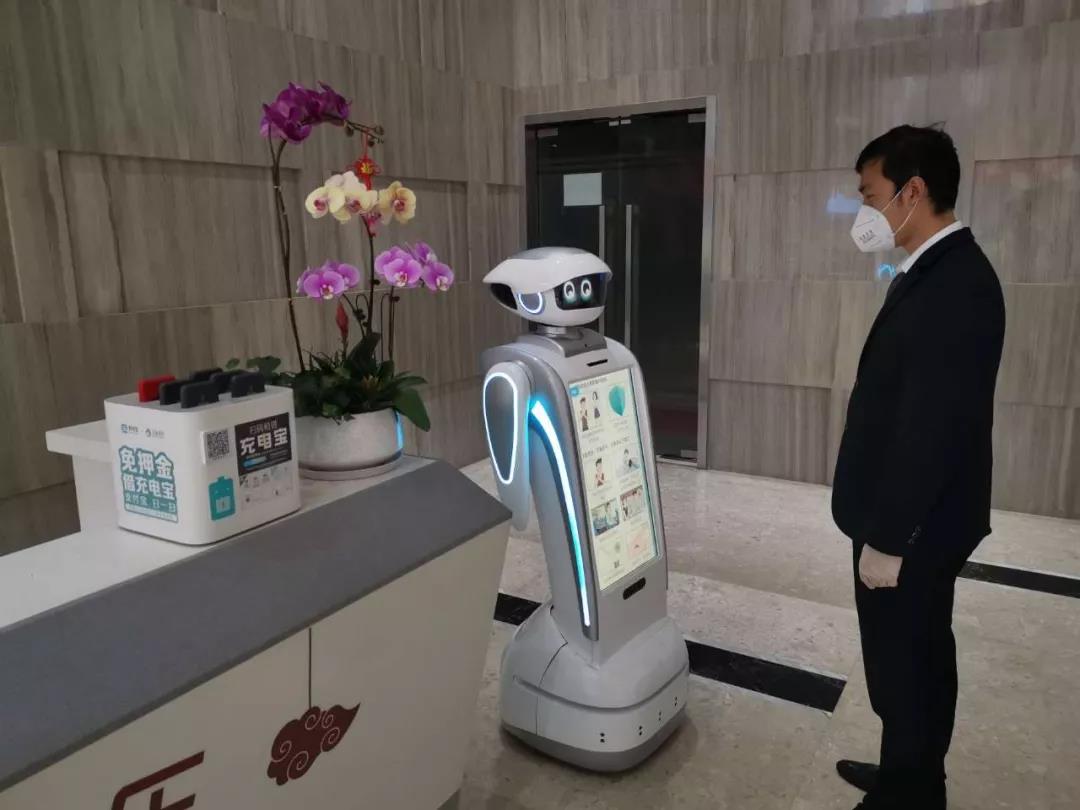
An interactive service robot is an intelligent machine designed to communicate and interact with people while performing service-oriented tasks. These robots combine artificial intelligence, sensors, and autonomous navigation systems to operate safely in dynamic environments.
Interactive service robots are commonly used for:
-
Reception and visitor greeting
-
Guided tours and explanations
-
Information inquiry services
-
Customer assistance
-
Intelligent delivery tasks
Modern service robots rely on advanced technologies such as:
-
AI-based speech interaction
-
Facial recognition systems
-
Autonomous navigation and mapping
-
Multi-sensor environmental perception
-
Cloud-based management platforms
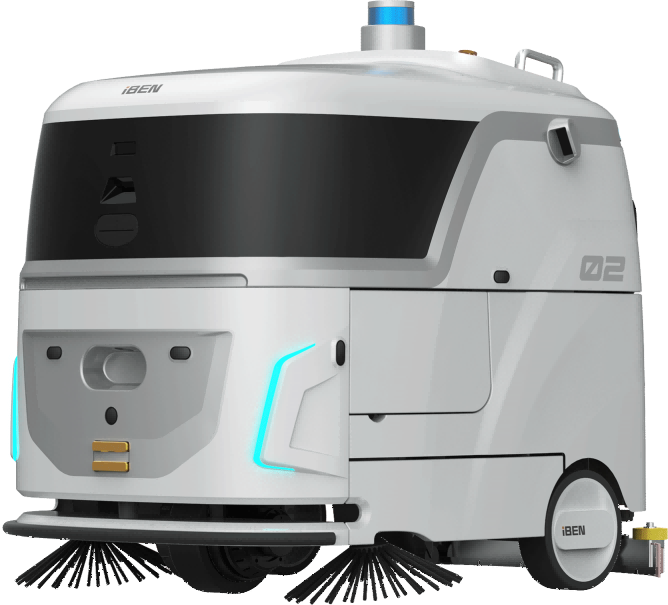
Companies like IBEN develop service robots that integrate advanced perception systems and intelligent navigation technology, allowing robots to operate efficiently in complex indoor environments while maintaining stable long-term performance.
Average Interactive Service Robot Maintenance Cost
Maintenance costs for service robots vary depending on their design, usage environment, and technology platform. Instead of a single fixed number, maintenance costs usually consist of several categories.
Typical Maintenance Cost Components
| Cost Category |
Description |
| Software maintenance |
System upgrades, AI improvements, and security updates |
| Hardware maintenance |
Sensors, motors, wheels, and internal components |
| Battery replacement |
Periodic battery replacement after lifecycle use |
| Spare parts |
Replacement of worn mechanical components |
| Technical support |
Diagnostics, troubleshooting, and technical assistance |
| Remote monitoring |
Cloud platform monitoring and predictive maintenance |
For most modern robots, software and preventive maintenance represent the largest portion of long-term operational expenses.
However, many advanced robot platforms significantly reduce these costs through remote diagnostics, automated health monitoring, and intelligent system management.
Key Factors That Affect Interactive Service Robot Maintenance Cost
Understanding the factors that influence maintenance costs can help businesses choose the right robot platform and optimize operational efficiency.
Hardware Quality and Component Durability
The durability of a robot’s hardware components plays a major role in maintenance costs.
Key hardware components include:
High-quality components are designed for long operational lifespans and continuous usage, which reduces the frequency of repairs and part replacements.
Industrial-grade robots typically undergo rigorous testing to ensure reliability in demanding environments. Durable materials and optimized mechanical structures can significantly lower long-term maintenance costs.
Navigation and Perception Technology
Navigation technology determines how effectively a robot moves within its environment.
Many advanced service robots use SLAM (Simultaneous Localization and Mapping) technology to navigate autonomously.
Advanced navigation systems may include:
Robots that integrate multiple sensing technologies can better detect obstacles and adapt to dynamic environments. This reduces collision risks and mechanical wear, ultimately lowering maintenance costs.
IBEN robots utilize laser and visual sensor fusion technology, enabling accurate positioning and stable navigation even in crowded indoor spaces.
Battery Life and Charging Systems
Battery systems represent one of the most important maintenance considerations for service robots.
Typical battery-related factors include:
Most service robots operate continuously throughout the day. Therefore, batteries must support frequent charging cycles while maintaining performance stability.
Modern robots often include automatic charging features, allowing them to return to charging stations independently. This reduces operational downtime and improves energy management.
Advanced battery management systems can also monitor battery health and optimize charging patterns, extending battery lifespan and reducing replacement frequency.
Software Updates and AI System Maintenance
Software is the “brain” of an interactive service robot. As artificial intelligence evolves, software updates are required to maintain optimal performance.
Typical software maintenance tasks include:
-
AI dialogue system updates
-
Knowledge base optimization
-
Security patches
-
System performance improvements
-
Navigation algorithm updates
Many robots rely on cloud-based platforms that allow centralized management and remote software updates.
This approach reduces the need for manual maintenance and allows operators to update entire robot fleets efficiently.
IBEN robots integrate cloud-based management systems that enable remote monitoring, system updates, and performance optimization across multiple robots.
Operating Environment
The environment in which robots operate can significantly influence maintenance requirements.
Different environments present unique challenges:
| Environment |
Maintenance Impact |
| Shopping malls |
High pedestrian traffic |
| Museums and exhibition halls |
Continuous navigation and interaction |
| Hospitals |
Strict hygiene requirements |
| Airports |
Large operational areas |
| Industrial spaces |
Dust, vibrations, and equipment movement |
| |
|
Robots operating in high-traffic areas must be equipped with robust sensing systems and durable structures to minimize wear and operational risks.
Advanced environmental perception systems help robots adapt to these conditions while maintaining stable performance.
Remote Monitoring and Preventive Maintenance
One of the most effective ways to reduce interactive service robot maintenance cost is through predictive maintenance and remote monitoring.
Modern robots often include built-in health monitoring systems that track:
-
Motor performance
-
Sensor status
-
Battery health
-
Navigation stability
-
System errors
Remote monitoring platforms allow technicians to detect potential issues before they cause operational failures.
Benefits of remote maintenance include:
-
Faster troubleshooting
-
Reduced on-site service visits
-
Lower operational downtime
-
Improved fleet management
IBEN integrates remote operation and maintenance technologies that allow real-time diagnostics and system monitoring, helping businesses maintain reliable robot performance.
How Advanced Robot Platforms Reduce Maintenance Costs
Technological innovation plays a major role in lowering the long-term cost of service robot deployment.
Advanced robot platforms incorporate several design strategies to minimize maintenance needs.
Key cost-reduction technologies include
-
Multi-sensor perception systems
-
Intelligent navigation algorithms
-
Autonomous obstacle avoidance
-
Cloud-based fleet management
-
Remote maintenance and diagnostics
-
Modular hardware design
IBEN robots utilize a fully integrated technology architecture that combines hardware, algorithms, and cloud systems. This approach improves operational stability while reducing maintenance complexity.
The robots are designed to operate across various environments such as exhibition halls, retail stores, hospitals, and public service areas, enabling reliable performance and efficient service delivery.
Interactive Service Robot vs Traditional Service Operations
Many organizations compare robots with traditional human-based services when evaluating automation investments.
The following table highlights key operational differences.
| Factor |
Interactive Service Robots |
Traditional Service Staff |
| Operating hours |
24/7 availability |
Limited working hours |
| Service consistency |
Highly consistent |
Varies by individual |
| Training cost |
Initial system setup |
Continuous training required |
| Maintenance |
Predictable technical maintenance |
N/A |
| Labor cost |
Reduced long-term costs |
Increasing labor expenses |
| Scalability |
Easily deployable |
Limited scalability |
While robots require maintenance, they often provide greater operational efficiency and cost predictability compared with traditional service models.
Best Practices to Reduce Interactive Service Robot Maintenance Cost
Businesses can reduce robot maintenance expenses by implementing several practical strategies.
-
Choose reliable robot manufacturers
High-quality robots are built with durable components and optimized software systems, which reduces maintenance frequency.
-
Implement preventive maintenance schedules
Regular inspections help detect minor issues before they become major problems.
-
Use cloud monitoring systems
Cloud-based platforms allow remote system diagnostics and automated updates.
-
Train staff for basic troubleshooting
Operational staff should understand basic robot functions and simple maintenance tasks.
-
Deploy robots in suitable environments
Ensuring that robots operate within their designed environment helps maintain system stability and longevity.
Future Trends in Interactive Service Robot Maintenance
The maintenance of service robots is evolving rapidly as new technologies emerge.
Future innovations are expected to include:
-
AI-driven predictive maintenance
-
Self-learning navigation systems
-
Autonomous fault detection
-
Cloud robotics ecosystems
-
Intelligent fleet management platforms
These technologies will allow robots to monitor their own health, predict failures, and optimize performance automatically.
As a result, the long-term interactive service robot maintenance cost will continue to decrease while reliability improves.
Conclusion
Interactive service robots are transforming how businesses deliver customer service, information guidance, and operational support. However, understanding interactive service robot maintenance cost is essential when planning automation investments.
Maintenance expenses are influenced by several factors, including hardware durability, navigation technology, battery systems, software updates, and operational environments.
Advanced robot platforms, such as those developed by IBEN, integrate intelligent navigation, cloud management systems, and remote maintenance capabilities to ensure reliable long-term performance.
By selecting the right technology platform and implementing effective maintenance strategies, businesses can significantly reduce operational costs while benefiting from the efficiency and scalability of service robots.
FAQ
What is the typical interactive service robot maintenance cost?
The maintenance cost varies depending on robot design and usage conditions. Most expenses include software updates, hardware maintenance, battery replacement, and technical support.
Do service robots require frequent repairs?
High-quality service robots are designed for long-term operation. With preventive maintenance and remote monitoring systems, repair frequency is typically low.
How long do service robot batteries last?
Most service robot batteries support thousands of charging cycles. Battery lifespan depends on usage frequency, charging patterns, and energy management systems.
Can robot maintenance be performed remotely?
Yes. Many modern robots include cloud-based management systems that allow remote diagnostics, software updates, and predictive maintenance.
Are service robots cheaper than human labor?
In many scenarios, robots reduce long-term labor costs while providing consistent service and 24/7 availability.