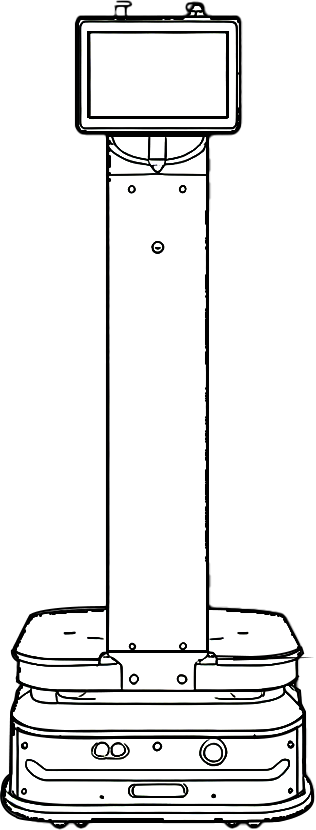
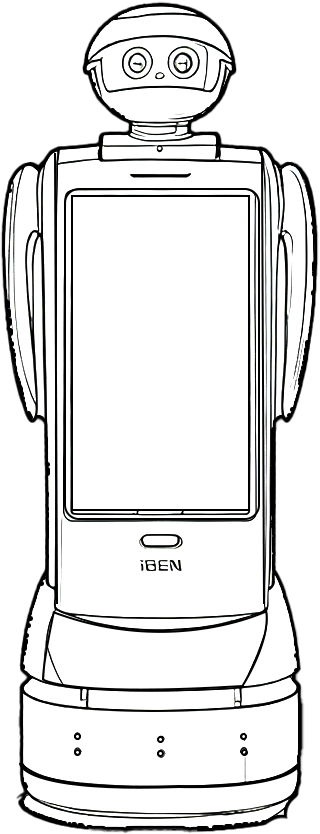
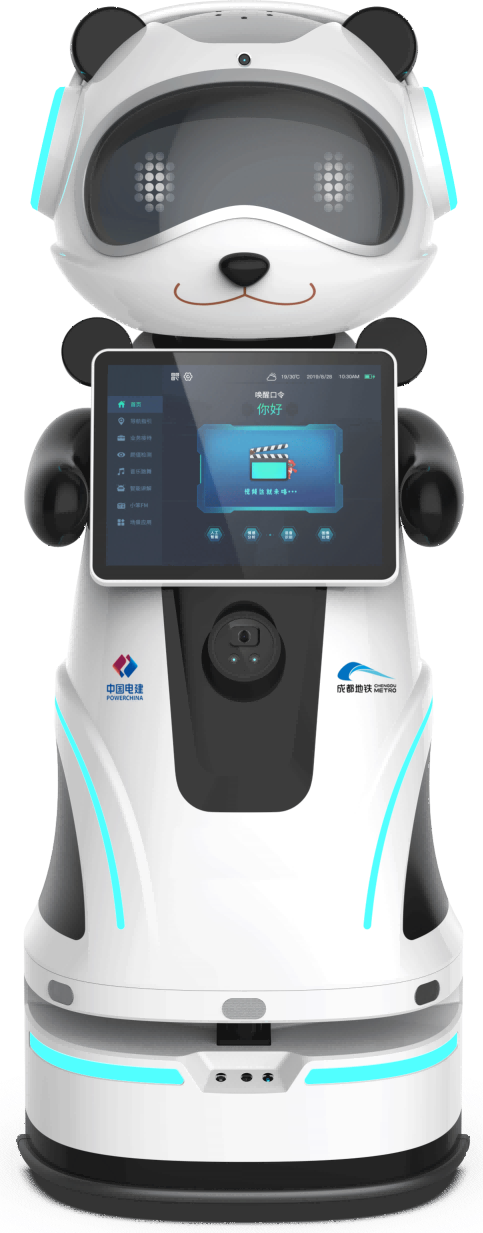
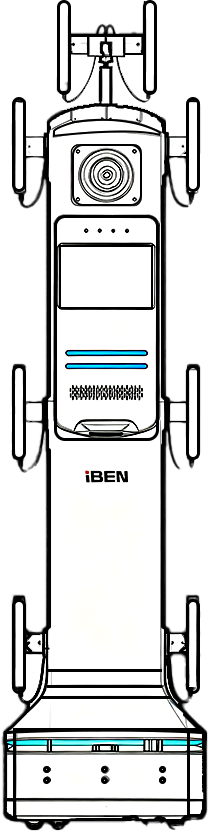
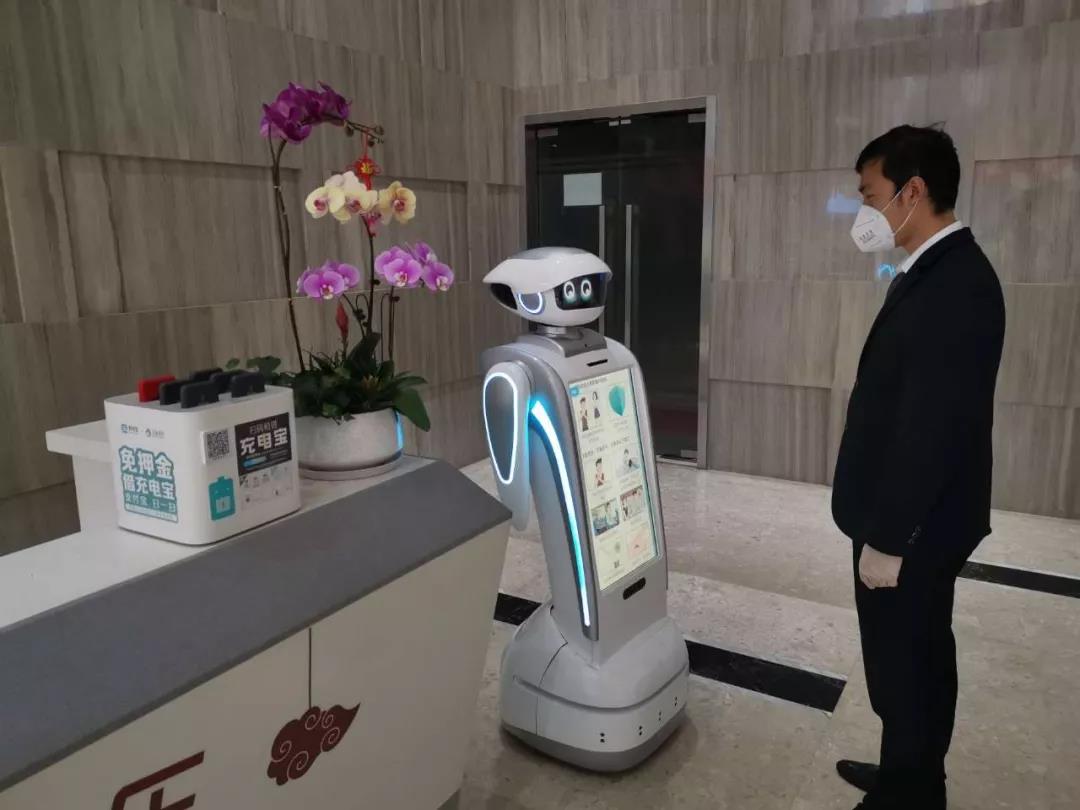
Imagine walking into a hotel lobby where a friendly, articulate robot greets you by name, checks you in, and guides you to your room. Or visiting a corporate office where an autonomous guide leads you through the facility, answering questions about the company along the way. This is not science fiction—it is the reality of modern customer service automation.
What is a customer service robot? It is an autonomous or semi-autonomous robot designed to interact with customers, visitors, or guests, providing information, assistance, guidance, or hospitality services. These intelligent machines are transforming how businesses engage with their audiences across retail, hospitality, healthcare, corporate environments, and public venues.
This comprehensive guide explores everything you need to know about customer service robots—from the core technologies that power them to the different types available, key features to evaluate, benefits they deliver, and how to choose the right solution for your business. With insights drawn from thousands of real-world deployments, including those by iBEN Robot, a leader in reception and guidance automation, this guide will help you understand how service robots can elevate your customer experience.
Core Technologies Behind Customer Service Robots
Modern customer service robots are sophisticated systems integrating multiple advanced technologies. Understanding these underlying technologies helps businesses appreciate what these robots can do—and what to look for when evaluating solutions.
Artificial Intelligence and Natural Language Processing
At the heart of every customer service robot is artificial intelligence (AI). This enables the robot to understand spoken language, interpret context, and generate appropriate responses. Key AI capabilities include:
-
Natural Language Processing (NLP): Allows the robot to understand human speech, including variations in phrasing, accents, and intent.
-
Large Language Models (LLMs): Advanced models that enable sophisticated, context-aware conversations beyond simple scripted responses.
-
Continuous Learning: The ability to improve over time by learning from interactions, refining answers to frequently asked questions.
Autonomous Navigation and SLAM
A customer service robot must move safely and efficiently through its environment. This is achieved through Simultaneous Localization and Mapping (SLAM) technology:
-
Laser SLAM: Uses LiDAR sensors to create precise maps of the environment and determine the robot's position within them.
-
Visual SLAM (VSLAM): Uses cameras to recognize visual features—signage, unique objects, architectural elements—providing redundant localization.
-
Dual SLAM Fusion: Combines both approaches for maximum reliability, enabling operation in varied lighting conditions and dynamic environments.
Multi-Modal Interaction
Effective communication goes beyond voice. Customer service robots engage visitors through multiple channels simultaneously:
-
Voice: Natural speech output with adjustable tone and personality
-
Touchscreen: Visual interfaces for maps, menus, and supplementary information
-
Facial Expressions: Animated expressions on display screens convey emotion and intent
-
Lighting Cues: Colored LED indicators communicate status and enhance engagement
-
Gestures/Movement: Physical motions that signal attention, direction, or invitation
Cloud Connectivity and Remote Management
Behind the scenes, customer service robots are connected to cloud platforms that enable:
-
Centralized fleet monitoring: Track robot status, battery levels, and location in real-time
-
Remote content updates: Update knowledge bases, maps, and promotional materials across all robots instantly
-
Usage analytics: Capture interaction data to understand visitor needs and optimize service
-
Over-the-air software upgrades: Deploy new features and improvements without physical intervention
Types of Customer Service Robots
Customer service robots come in several configurations, each designed for specific use cases and environments.
Reception and Greeting Robots
These robots serve as the first point of contact for visitors entering a facility. Their primary functions include welcoming guests, recognizing VIPs, facilitating check-in processes, and directing visitors to their destinations.
Common Use Cases:
Concierge and Information Robots
Designed to answer questions and provide information, these robots serve as mobile knowledge bases. They can respond to inquiries about hours of operation, directions, event schedules, and facility amenities.
Common Use Cases:
Guide and Tour Robots
These robots lead visitors through facilities, providing synchronized commentary as they move. They can conduct guided tours, show visitors to meeting rooms, or escort guests to specific departments.
Common Use Cases:
Delivery and Hospitality Robots
These robots transport items such as documents, meals, amenities, or packages to guests, freeing staff from routine delivery tasks.
Common Use Cases:
-
Hotels (room service delivery, amenity drop-offs)
-
Hospitals (medical supply transport)
-
Office buildings (inter-office mail and package delivery)
-
Restaurants (food delivery to tables)
Telepresence and Remote Interaction Robots
These robots enable remote staff to interact with on-site visitors through video conferencing capabilities, combining mobility with remote presence.
Common Use Cases:
-
Remote patient consultations in healthcare
-
Virtual facility tours for prospective clients
-
After-hours visitor assistance
Note: iBEN Robot offers a complete lineup of reception, greeting, and guidance robots, with deployments across 2,000+ enterprise customers and 800+ hospital facilities, demonstrating proven reliability across diverse environments.
Key Features to Look for in a Customer Service Robot
When evaluating customer service robot solutions, consider these essential features to ensure the system meets your operational requirements.
Natural Interaction Capabilities
-
Conversational AI: The ability to understand and respond to natural language queries, not just trigger words
-
Multi-language support: Capability to serve visitors in multiple languages, a critical feature for tourist destinations, airports, and international businesses
-
Personalization: Recognition of repeat visitors and tailored responses based on context
Navigation and Mobility
-
SLAM-based navigation: Infrastructure-free operation that requires no magnetic tape or QR codes
-
Narrow aisle capability: Ability to navigate through crowded spaces and tight corridors
-
Smooth movement: Gentle acceleration and deceleration that feels natural to pedestrians
Customization and Branding
-
Appearance customization: Options for colors, finishes, and branding elements that align with your corporate identity
-
Voice customization: Ability to select voice characteristics that reflect your brand personality
-
Content management: Easy-to-use tools for updating knowledge bases and promotional messages
Safety and Reliability
-
360° obstacle detection: Comprehensive sensor coverage to protect both visitors and the robot
-
Emergency stop functions: Both software-controlled and physical safety stops
-
Certified safety standards: Compliance with CE, UL, and other applicable safety certifications
-
24/7 operational reliability: Designed for continuous operation with auto-docking and fast charging
Analytics and Reporting
-
Visitor engagement metrics: Data on interactions, popular questions, and visitor dwell time
-
Operational logs: Records of robot status, errors, and maintenance needs
-
Exportable data: Ability to integrate with existing analytics platforms
Benefits of Deploying Customer Service Robots
Organizations that deploy customer service robots report significant benefits across multiple dimensions.
Enhanced Customer Experience
-
24/7 availability: Robots never take breaks, ensuring consistent service regardless of time or staffing levels
-
Consistent quality: Every visitor receives the same high-quality interaction, eliminating variability
-
Reduced wait times: Multiple robots can handle high volumes of inquiries simultaneously
-
Multilingual support: Serve diverse visitor populations without hiring multiple language specialists
Operational Efficiency
-
Staff augmentation: Free human employees to focus on complex, high-value tasks that require empathy and judgment
-
Scalability: Add additional robots during peak seasons or events without hiring temporary staff
-
Process automation: Handle routine inquiries and tasks that previously consumed staff time
Consistent Brand Representation
-
Brand voice consistency: Every interaction reflects your organization's tone, messaging, and values
-
Professional presentation: Robots provide a modern, technologically advanced image that enhances brand perception
-
Customized content: Tailor messages to align with seasonal promotions, events, or facility changes
Data Collection and Insights
-
Visitor intent capture: Understand what visitors are asking about most frequently
-
Traffic pattern analysis: Identify peak times and popular destinations within your facility
-
Continuous improvement: Use interaction data to refine services, update signage, and optimize staffing
Cost Savings Over Time
-
Staffing cost reduction: Reduce labor costs for routine service roles
-
Scalable investment: Add capacity as needed without proportional cost increases
-
Long-term ROI: Many organizations achieve payback within 12-24 months through efficiency gains and labor savings
Industries and Use Cases
Customer service robots are deployed across a wide range of industries, each with unique applications.
| Industry |
Use Case |
Example Application |
| Hospitality |
Front desk assistance, room service delivery |
Hotel concierge robot greeting guests, answering questions about amenities, delivering items to rooms |
| Retail |
Product information, wayfinding, inventory inquiry |
Shopping mall robot guiding customers to specific stores, sharing promotions |
| Healthcare |
Patient check-in, department directions, visitor guidance |
Hospital reception robot directing visitors to clinics, providing visiting hour information |
| Corporate |
Visitor management, facility tours, employee assistance |
Office lobby robot registering guests, leading facility tours for new hires and visitors |
| Government |
Citizen information, document submission guidance |
Public service hall robot answering procedural questions, directing citizens to appropriate counters |
| Education |
Campus tours, event information, student assistance |
University robot guiding prospective students and families during campus visits |
| Museums & Exhibitions |
Exhibit narration, visitor flow guidance, interactive learning |
Exhibition robot providing synchronized tour commentary, answering questions about exhibits |
| Transportation |
Terminal navigation, schedule information, amenity location |
Airport robot directing passengers to gates, sharing flight information |
How to Choose the Right Customer Service Robot for Your Business
Selecting the right solution requires a systematic approach that aligns technology with your specific needs.
Assess Your Needs
Begin by clearly defining your requirements:
-
Primary use case: Will the robot primarily greet visitors, provide information, guide tours, or deliver items?
-
Visitor volume: Estimate daily traffic and peak periods to determine how many robots you may need
-
Language requirements: Identify the languages your visitors speak
-
Accessibility needs: Consider features for visitors with disabilities
Evaluate Technical Capabilities
Match your requirements against robot capabilities:
-
Navigation performance: Can the robot navigate your facility's layout, including narrow corridors, elevators, and uneven surfaces?
-
AI sophistication: Is the robot capable of handling domain-specific questions relevant to your business?
-
Integration needs: Does the robot integrate with your existing systems—booking platforms, CRM, access control?
Consider Vendor Support and Scalability
The technology is only as valuable as the support behind it:
-
Deployment timeline: How quickly can the solution be implemented?
-
Training provided: What training does the vendor offer your staff?
-
Support infrastructure: Is there local support in your region for maintenance and troubleshooting?
-
Scalability: Can you easily add more robots or upgrade capabilities over time?
The Future of Customer Service Robots
The customer service robot market continues to evolve rapidly. Several trends are shaping the next generation of these systems:
-
Generative AI advancements: Deeper, more contextual conversations that feel increasingly natural
-
Emotional intelligence: Ability to recognize visitor sentiment and adjust responses accordingly
-
Tighter integration: Seamless connection with IoT devices, building management systems, and digital signage
-
Expanded applications: Growth into new verticals including elder care, children's education, and entertainment
-
Improved affordability: Declining component costs making advanced robots accessible to smaller organizations
Why iBEN Robot Stands Out in Customer Service Automation
For organizations seeking a proven, reliable partner in customer service automation, iBEN Robot brings unmatched experience and capability.
Proven Industry Leadership
-
Industry leader in reception and guidance robots with cumulative deployments across 2,000+ enterprise customers
-
800+ hospital deployments demonstrating reliability in critical environments
-
15,000+ enterprise customers served globally across hospitality, healthcare, corporate, and public sectors
-
500+ patents and IP assets protecting core technologies
Differentiating Technology
iBEN service robots combine advanced AI with robust engineering:
-
AI-powered interaction: Advanced natural language processing with LLM integration for engaging, context-aware conversations
-
Dual SLAM navigation: Laser SLAM + VSLAM fusion for reliable operation in dynamic, crowded spaces
-
Multi-modal communication: Voice, touchscreen, lighting, and expressive media working together for engaging experiences
-
Cloud management platform: Centralized fleet monitoring, content updates, and usage analytics
Customer Service Robot Highlights
| Feature |
iBEN Implementation |
| Interaction |
AI model-powered dialogue; multi-language support; customizable knowledge base |
| Navigation |
Laser SLAM + VSLAM fusion; 360° perception; dynamic obstacle avoidance |
| Mobility |
60cm narrow aisle capability; 2cm step crossing; smooth crowd navigation |
| Safety |
Multi-sensor safety system; emergency stop; certified safety standards |
| Management |
Cloud fleet management; remote content updates; usage analytics |
| Deployment |
Rapid setup; no facility modifications; comprehensive training included |
| Support |
Regional teams in Europe (Germany focus), Americas, Asia; 20+ countries served |
Conclusion
What is a customer service robot? It is more than a machine—it is a strategic asset that enhances customer experience, improves operational efficiency, and strengthens brand perception. From greeting visitors in corporate lobbies to guiding patients through hospitals, these intelligent systems are transforming how organizations interact with their audiences.
The right customer service robot combines advanced AI for natural conversation, reliable navigation for safe operation, and flexible management tools for easy deployment and maintenance. Choosing a vendor with proven experience across industries ensures your investment delivers lasting value.
Ready to elevate your customer experience with intelligent service automation? iBEN Robot brings nearly a decade of expertise, thousands of successful deployments, and a comprehensive lineup of reception, greeting, and guidance robots tailored to your needs.
Visit iBEN Robot to learn more about customer service robot solutions and discover how we can help transform your visitor experience.