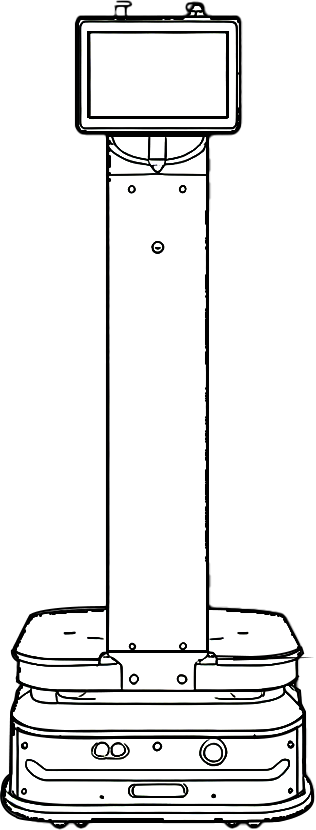
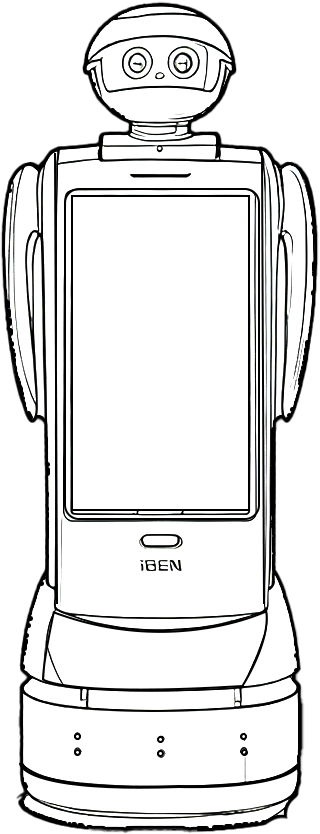
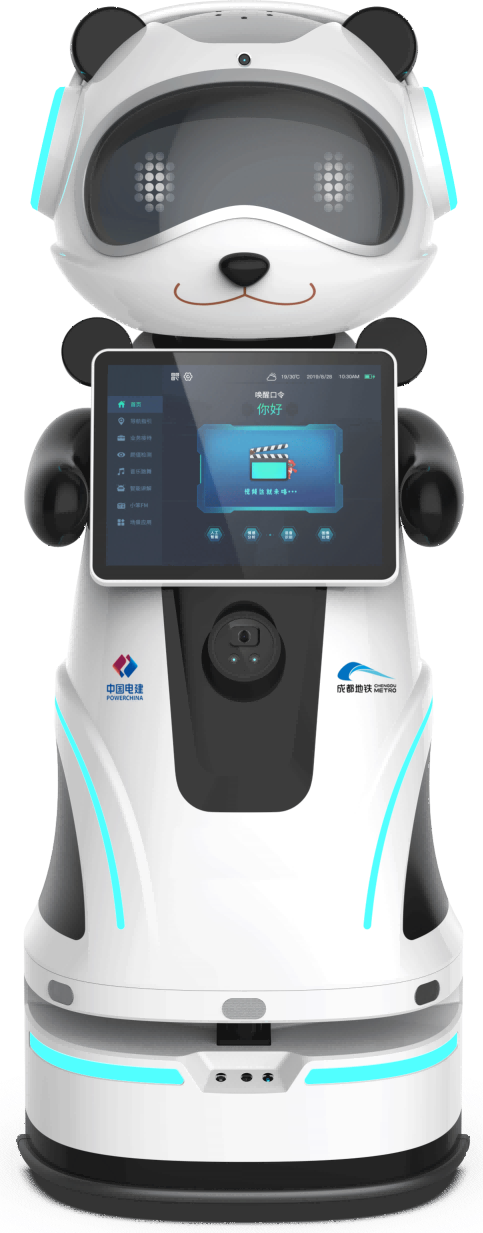
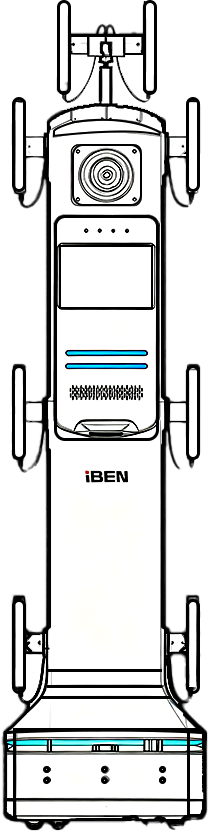
Reception robot quotations in 2026 range from $15,000 for basic greeting robots to $80,000 or more for advanced humanoid platforms with sophisticated AI conversation and comprehensive facility integration. Understanding the factors driving these price differences helps businesses evaluate quotations effectively, comparing value rather than just costs, and selecting reception robots delivering optimal return on investment for their specific requirements.
Obtaining meaningful reception robot quotations requires clearly defining operational scope, performance expectations, and integration needs. Vague requests produce generic proposals that may not address actual requirements. Detailed specifications covering interaction capabilities, navigation requirements, operating hours, integration systems, and deployment environment enable suppliers to provide accurate, customized quotations reflecting true implementation costs. Leading suppliers like iBEN Robot conduct thorough requirements assessments ensuring quotations address comprehensive needs rather than just hardware pricing.
Factors Influencing Reception Robot Quotations
Interaction Sophistication and AI Capabilities
Interaction sophistication represents the primary cost driver in reception robot quotations. Basic touchscreen-only platforms offering menu-driven interaction cost $15,000-$25,000 suitable for simple wayfinding and information display. Mid-range robots incorporating voice recognition with limited AI understanding range from $25,000-$45,000 enabling more natural interaction. Advanced humanoid platforms with comprehensive AI conversation, multi-language support, emotional intelligence, and context understanding cost $45,000-$80,000 delivering premium customer experiences.
Physical Design and Appearance
Physical appearance and design complexity significantly affect quotations. Simple tablet-on-wheels configurations minimize costs through straightforward construction. Semi-humanoid designs with expressive screens, articulated arms, or mobility features add mechanical complexity increasing pricing. Fully humanoid platforms with realistic facial expressions, natural movements, and sophisticated physical design command premium pricing. Custom appearance matching specific brand identity requirements adds 15-40% to base pricing depending on modification extent.
Navigation and Mobility Capabilities
Navigation capabilities determine deployment flexibility and operational scope. Stationary reception robots mounted in fixed positions cost least but limit functionality to single locations. Mobile platforms with basic obstacle avoidance enable movement within limited areas adding $8,000-$15,000 to quotations. Advanced autonomous navigation with laser SLAM or fusion technology enables free movement throughout facilities, guiding visitors to destinations, adding $15,000-$25,000 compared to stationary alternatives.
Integration Requirements and Complexity
Integration requirements substantially impact total quotation values. Standalone operation without facility system connectivity minimizes integration costs. Basic integration with visitor management systems or building directories adds $5,000-$12,000 to quotations.
Comprehensive integration with elevator control, automatic doors, customer databases, and scheduling systems requires $15,000-$40,000 in custom development. This integration investment creates seamless workflows justifying costs through operational efficiency.
Typical Reception Robot Quotation Breakdown
Hardware Components and Pricing
Hardware costs form the foundation of reception robot quotations ranging from $15,000-$65,000 depending on sophistication. This includes the physical platform, screens and displays, sensors for navigation and interaction, computing hardware, battery and power systems, and communication modules. Premium humanoid platforms like iBEN's advanced reception robots incorporate sophisticated AI processing, multi-modal sensors, and refined industrial design justifying higher hardware pricing.
Software and AI Licensing
Software and AI capabilities represent significant value though often bundled in hardware pricing. AI conversation engines enabling natural language understanding cost $5,000-$20,000 to develop and license. Multi-language support adds $2,000-$5,000 per language beyond the primary language. Knowledge base development capturing facility information, common questions, and appropriate responses requires $3,000-$10,000 depending on complexity. Navigation and coordination software enabling autonomous movement adds $5,000-$15,000.
Professional Services and Deployment
Professional services including deployment, configuration, and training typically add 15-30% to hardware costs. Deployment services covering installation, facility mapping, and system commissioning range from $3,000-$12,000. Content development creating custom greetings, dialogue flows, and information content costs $2,000-$8,000. Training programs educating facility staff on operation, monitoring, and basic troubleshooting add $2,000-$5,000. Rapid deployment systems like iBEN's 30-minute setup minimize these service costs.
Annual Support and Maintenance
Annual support and maintenance costs should be included in quotation evaluation though often presented separately. Software licensing and updates typically cost 8-12% of hardware value annually covering feature enhancements, security patches, and cloud services. Technical support contracts providing troubleshooting assistance and guaranteed response times add $3,000-$8,000 yearly. Preventive maintenance including cleaning, battery servicing, and component inspection costs $1,500-$4,000 annually. Total annual operational costs typically reach 12-20% of initial investment.
Comparing Reception Robot Quotations
Comprehensive Capability Assessment
Evaluating multiple reception robot quotations requires comprehensive comparison across capabilities, costs, and supplier credentials rather than focusing solely on price. Create structured comparison frameworks assessing interaction quality through demonstration sessions testing conversation naturalness, language support, and error handling. Evaluate navigation reliability in environments similar to your facility observing obstacle avoidance, route planning, and positioning accuracy. Assess integration flexibility through detailed technical discussions about connectivity options, supported protocols, and customization capabilities.
Total Cost of Ownership Analysis
Total cost of ownership comparison over 3-5 years reveals true financial implications beyond initial quotations. Calculate initial investment including hardware, software, integration, deployment, and training from each supplier. Add annual operational costs including software licensing, support contracts, and maintenance expenses. Subtract estimated benefits from labor savings, service quality improvements, and efficiency gains. Comprehensive TCO analysis often reveals that premium quotations deliver better value through lower operational costs, higher reliability, or superior capabilities justifying initial price premiums.
Supplier Credentials and Support
Supplier credentials and support infrastructure significantly impact long-term success beyond quotation pricing. Verify deployment scale and customer references demonstrating proven reliability. Assess service network coverage ensuring rapid response in your operating regions. Evaluate training comprehensiveness and documentation quality enabling effective staff utilization. Review software update policies confirming ongoing capability enhancement. iBEN Robot's service to 15,000+ clients across 50+ countries provides strong evidence of operational maturity and support capability.
ROI Calculation for Reception Robot Investment
Labor Cost Reduction Analysis
Reception robot ROI analysis quantifies labor savings, service improvements, and operational benefits justifying investment. Labor cost reduction provides the most immediate return. A reception robot operating 12 hours daily replaces approximately 1.5 full-time receptionists (accounting for breaks, vacations, and turnover buffer). At $35,000-$50,000 fully-loaded annual cost per receptionist, this generates $52,500-$75,000 in annual labor savings. Extended operating hours covering evenings and weekends may replace additional part-time staff increasing savings further.
Service Quality and Customer Experience
Service quality improvements create additional value through enhanced customer satisfaction and operational consistency. Reception robots deliver uniform, professional interaction regardless of volume, time, or circumstances. Multi-language support serves diverse populations better than typical receptionist language skills. Consistent information accuracy prevents errors from incomplete knowledge or miscommunication. Patient, attentive service regardless of repetitive inquiries maintains quality during high-volume periods. While difficult to quantify precisely, these improvements support customer retention, positive reviews, and brand reputation worth substantial value.
Payback Period Calculation
Payback period calculation demonstrates investment timeline. A $45,000 reception robot quotation with $7,000 in annual operational costs totals $52,000 first-year investment. Against $65,000 in annual labor savings, net first-year benefit reaches $13,000. The $45,000 hardware investment pays back in approximately 8-9 months. Premium $65,000 quotations with $70,000 annual savings achieve 11-12 month payback. Most reception robot implementations demonstrate 12-24 month payback periods with 5-year ROI exceeding 250-400%.
Requesting Comprehensive Quotations
Providing Detailed Requirements
Obtaining accurate, comprehensive reception robot quotations requires providing detailed requirements and context to suppliers. Operational scope should specify expected interactions, operating hours, peak volume periods, and performance expectations. Environment description covering facility size, layout complexity, flooring types, and ambient conditions enables accurate navigation and deployment planning. Integration requirements listing systems requiring connectivity, data exchange needs, and workflow automation objectives inform software and professional services quotations.
Essential Questions for Suppliers
Question lists ensure quotations address all critical factors. Hardware specifications should detail interaction modes, screen sizes and quantity, navigation technology, battery endurance, and physical dimensions. Software capabilities should clarify AI conversation sophistication, language support, knowledge base scope, and customization options. Service terms should specify warranty duration and coverage, support response times, software update policies, and training comprehensiveness. Total cost breakdown should separate hardware, software, integration, deployment, training, and ongoing annual costs.
Reference Verification Process
Reference requirements enable independent validation of supplier claims. Request 3-5 customer references in similar applications with similar operating environments. Specify preference for references permitting site visits to observe robots in actual operation. Prepare questions about deployment experience, operational reliability, support responsiveness, and ROI achievement. Independent reference verification often reveals insights unavailable from supplier presentations.
Negotiation Strategies and Considerations
Volume and Timing Leverage
Reception robot quotation negotiation balances cost management with capability requirements and supplier relationship quality. Volume commitments often generate 10-15% discounts for orders of 3+ units or multi-year deployment commitments. Bundling reception robots with other products from the same supplier like delivery or cleaning robots may yield package pricing advantages. Flexible timing accepting extended delivery schedules during supplier slow periods sometimes enables better pricing.
Service Package Optimization
Service package optimization reduces ongoing costs without sacrificing critical support. Facilities with strong internal technical capabilities may opt for basic support contracts rather than premium 24/7 coverage reducing annual costs 30-40%. Accepting longer non-critical response times while maintaining rapid critical issue support balances cost and coverage. In-house content development and minor configuration capability reduces dependency on supplier services.
Financing Alternatives
Financing alternatives spread costs over time improving cash flow. Equipment leasing through 3-5 year terms converts large capital investments into predictable monthly expenses. Operating leases offer off-balance-sheet treatment and equipment return flexibility at term end. Robotics-as-a-Service models provide monthly subscription pricing including hardware, software, and support with no upfront investment though higher total long-term costs. Evaluate financing options against direct purchase total cost of ownership.
Making the Final Decision
Balancing Capabilities and Budget
Selecting among reception robot quotations requires balancing multiple factors beyond simple price comparison. Capability fit addressing actual operational requirements should dominate decision-making. The lowest quotation proves expensive if capabilities prove insufficient for intended applications requiring costly upgrades or replacement. Premium quotations deliver better value when advanced features enable superior customer experiences or operational efficiency.
Evaluating Partnership Potential
Supplier partnership potential affects long-term success beyond initial deployment. Assess cultural fit, communication quality, and responsiveness during quotation and evaluation process. Suppliers demonstrating consultative approaches, thorough requirements understanding, and comprehensive solution design likely provide better ongoing support than transactional vendors focused solely on closing sales. Long-term technology partnership delivers more value than one-time equipment purchase.
Pilot and Trial Opportunities
Pilot or trial opportunities reduce decision risk when available. Some suppliers offer demonstration periods, trial deployments, or pilot programs enabling hands-on evaluation before major financial commitment. iBEN Robot's 30-minute deployment capability enables quick trial installations validating technology in actual operating environments. Successful pilots justify full deployment confidence while identifying optimization opportunities.
iBEN Robot provides comprehensive reception robot solutions with transparent quotations addressing all cost components. Their advanced humanoid platforms combine sophisticated AI conversation, multi-language support, autonomous navigation, and comprehensive facility integration. With proven deployments serving 15,000+ clients globally and extensive service infrastructure, iBEN delivers reliable reception robots with strong ROI. Visit
https://en.ibenrobot.com/ to request detailed reception robot quotations customized for your facility requirements and operational objectives.