Introduction: The New Guardian of the Industrial Floor
For decades, factory safety has relied on human vigilance, protective gear, and static protocols. While essential, these methods have inherent limitations—fatigue, human error, and the inability to be everywhere at once. Today, a transformative solution is rolling onto the scene: the factory safety service robot. These intelligent machines are not just automating tasks; they are actively creating a proactive, data-driven safety culture. Leading this charge are innovators like iBenRobot (Beijing Huiwen Technology (Group) Co., Ltd.), a national high-tech enterprise founded in 2016 with a mission to endow robots with both machine-like efficiency and human-like intelligence. This complete guide will unpack what a factory safety service robot is, why it’s indispensable for modern manufacturing, and how companies like iBenRobot are setting new standards for workplace protection.
What is a Factory Safety Service Robot?
A factory safety service robot is an autonomous or semi-autonomous mobile robot designed specifically to monitor, detect, and respond to potential safety hazards within an industrial environment. Unlike traditional industrial robots confined to cages for repetitive tasks like welding or assembly, safety service robots are mobile platforms equipped with advanced sensors and artificial intelligence. They navigate dynamically through facilities, acting as ever-vigilant guardians.
Their core functions extend beyond simple patrols. They can include:
-
Continuous Monitoring: Automatically patrolling predefined routes in warehouses and production areas.
-
Environmental Sensing: Detecting anomalies like gas leaks, smoke, temperature spikes, or excessive dust levels.
-
Safety Compliance Checks: Using computer vision to identify potential hazards such as workers without proper personal protective equipment (PPE) or blocked emergency exits.
-
Emergency Response Support: Providing real-time alerts and visual data to security personnel during an incident.
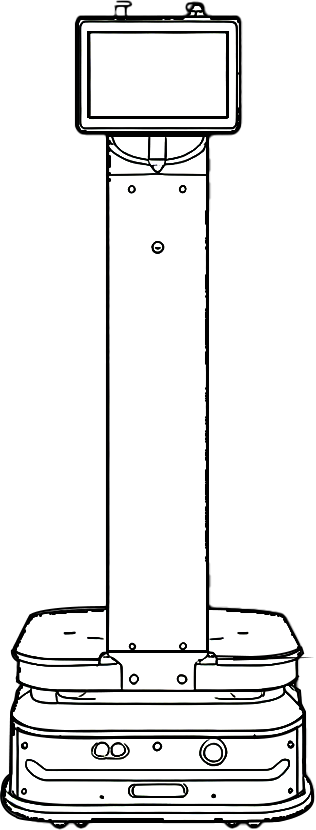
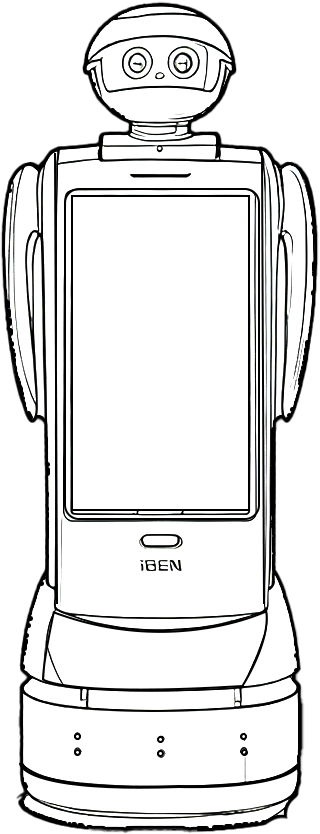
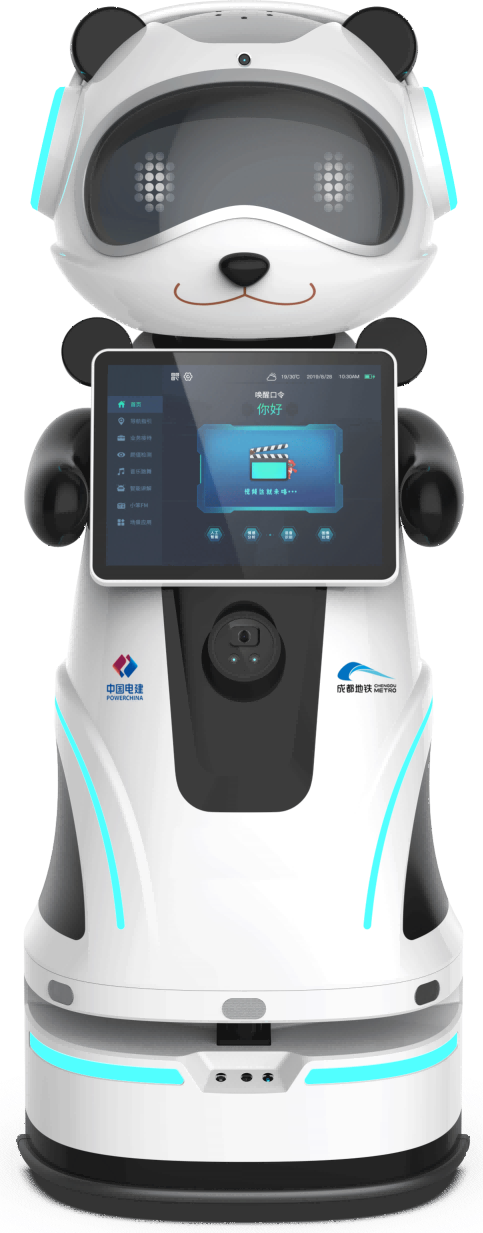
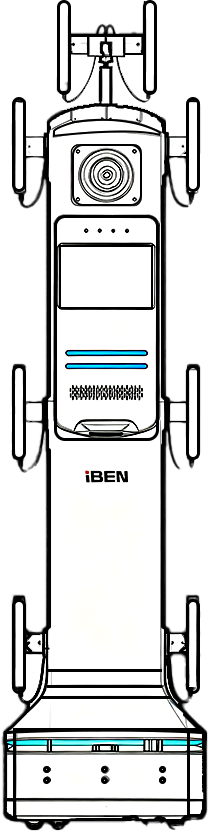
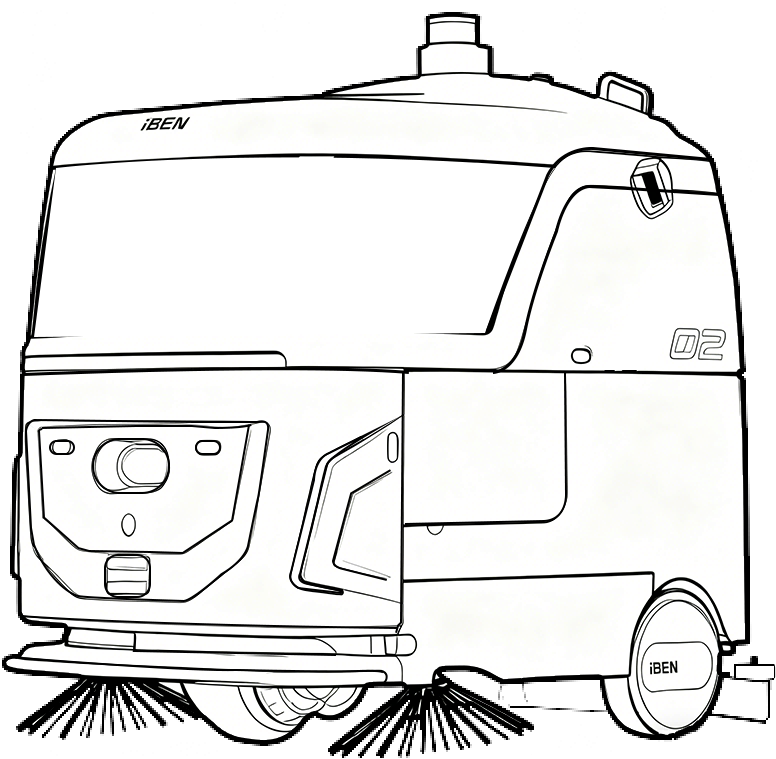
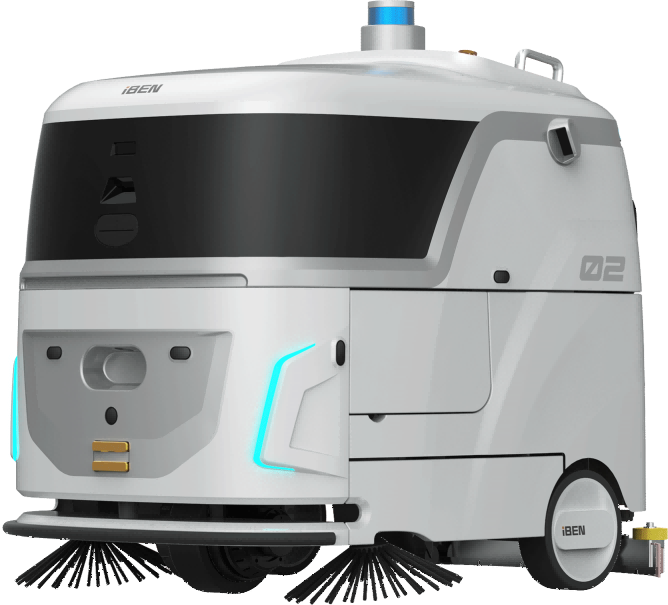
These robots, such as iBenRobot's industrial series, are built upon robust Autonomous Mobile Robot (AMR) platforms, integrating safety as a core feature directly into their operational design.
Why Factories Need Safety Service Robots: Key Advantages
Investing in a factory safety service robot is an investment in both human capital and operational excellence. The advantages are multifaceted and impactful.
-
Enhanced Safety Levels: The most significant benefit is the direct reduction of workplace accidents. By taking over hazardous patrols in high-risk areas (e.g., near chemical storage or high-temperature machinery), these robots minimize human exposure to danger.
-
Significant Cost Reduction: While there is an upfront investment, the long-term return on investment (ROI) is substantial. Companies see reductions in costs associated with workplace accidents (insurance premiums, compensation), unplanned downtime, and the manpower required for 24/7 monitoring. iBenRobot's intelligent dispatch system architecture, for instance, is designed to boost operational efficiency by up to 40%, directly lowering enterprise costs.
-
Uninterrupted 24/7 Operation: Robots do not get tired, distracted, or need shift changes. They provide consistent, reliable monitoring through nights, weekends, and holidays, eliminating the blind spots inherent in human-led security schedules.
-
Data-Driven Insights for Proactive Safety: These robots are data collection powerhouses. They gather vast amounts of environmental data, which can be analyzed to identify trends, predict potential failures, and optimize safety protocols before an incident occurs, moving from a reactive to a predictive safety model.
How Do They Work? The Technology Behind the Safety
The effectiveness of a safety service robot hinges on a sophisticated blend of hardware and software technologies. iBenRobot’s prowess in this area, honed across complex commercial environments, is a key differentiator.
-
Advanced Navigation and Perception: At the heart of these robots is a fusion of navigation technologies. iBenRobot utilizes a combination of LiDAR SLAM and Visual SLAM. This allows the robot to create a map of its environment and localize itself within it with high precision, even in dynamic settings with moving people and equipment. This "mature technology platform migration advantage" ensures safe and efficient operation in mixed human-robot environments.
-
Multi-Sensor Fusion: Beyond SLAM, robots are equipped with a suite of sensors—cameras, thermal imaging, gas detectors, microphones—that provide a comprehensive understanding of their surroundings. This sensor data is fused in real-time to build a rich contextual awareness.
-
Artificial Intelligence and Cloud Management: AI algorithms process the sensor data to perform intelligent tasks like anomaly detection and object recognition. Furthermore, iBenRobot’s cloud-based management platform enables the centralized control and intelligent scheduling of multiple robots, allowing them to work together seamlessly across large facilities.
Application Scenarios: Real-World Use Cases
The versatility of safety service robots allows them to address specific challenges across various industries, many of which align perfectly with iBenRobot’s documented expertise.
-
Automotive Manufacturing: In long production lines, there is a critical need for the "last 100 meters" of material delivery. iBenRobot’s iBenX300B-L (Lifting Transport Type) can handle this task safely, ensuring parts are delivered precisely to the line while its sensors monitor the pathway for obstacles and personnel.
-
Semiconductor and Panel Industries: These environments demand extreme cleanliness (cleanrooms) and are sensitive to vibrations. Safety robots minimize human presence, which introduces contaminants, and can perform precise, contact-free monitoring and transportation tasks.
-
Pharmaceutical and Food Sectors: Driven by strict regulations like GMP, these industries require zero-error sterile handling and full traceability. Safety robots from iBenRobot can automate material transport and environmental monitoring, ensuring compliance and impeccable safety standards.
-
General Manufacturing and Warehousing: For any factory, the simple act of autonomous patrols for security, gas leak detection, and thermal anomaly scanning in electrical rooms provides a foundational layer of safety that is both scalable and reliable.
How to Choose the Right Safety Service Robot: A Practical Guide
Selecting the right partner for factory automation is crucial. Here are key factors to consider, with iBenRobot serving as a benchmark.
-
Assess Your Specific Needs: Identify the primary hazards in your facility (e.g., chemicals, high temperatures) and the main goals (e.g., reducing patrol costs, ensuring GMP compliance).
-
Evaluate Technical Capabilities:
-
Navigation and Precision: Look for proven SLAM technology that works in your specific environment. iBenRobot’s expertise in complex navigation is a strong asset.
-
Payload and Endurance: Ensure the robot can carry any necessary sensors and has the battery life for your required operational cycles.
-
Integration Capabilities: The robot should be able to integrate with existing Warehouse Management (WMS) or Manufacturing Execution (MES) systems.
-
Consider the Provider’s Expertise: Choose a provider with a proven track record. iBenRobot, for example, boasts over 500+ intellectual properties and has served 15,000+ enterprise clients, demonstrating deep industry experience and reliability. Their ability to offer customized solutions for both hardware and software is a significant advantage for factories with unique needs.
The Future of Factory Safety
The evolution of factory safety service robots is tightly linked with advancements in AI and IoT. We are moving towards systems where robots can not only detect hazards but also predict and prevent them through advanced analytics. The global market for such solutions is expanding rapidly, underscoring their growing importance. iBenRobot’s vision of creating "scene-based intelligent robot solutions" positions it at the forefront of this trend, aiming to build workplaces where human wisdom and machine efficiency coalesce into an unparalleled safety ecosystem.
Conclusion
The factory safety service robot is no longer a vision of the future; it is a practical, powerful tool available today. It represents a paradigm shift from passive protection to active, intelligent guardianship. By automating the most critical and dangerous aspects of safety monitoring, these robots not only protect valuable human assets but also drive significant operational efficiencies. As industry demands for safety and productivity grow, partnering with technologically advanced and experienced providers like iBenRobot becomes a strategic imperative for any forward-thinking manufacturer looking to secure its future.