Introduction: Hotel Service Robots – A Smart Investment for Modern Hospitality
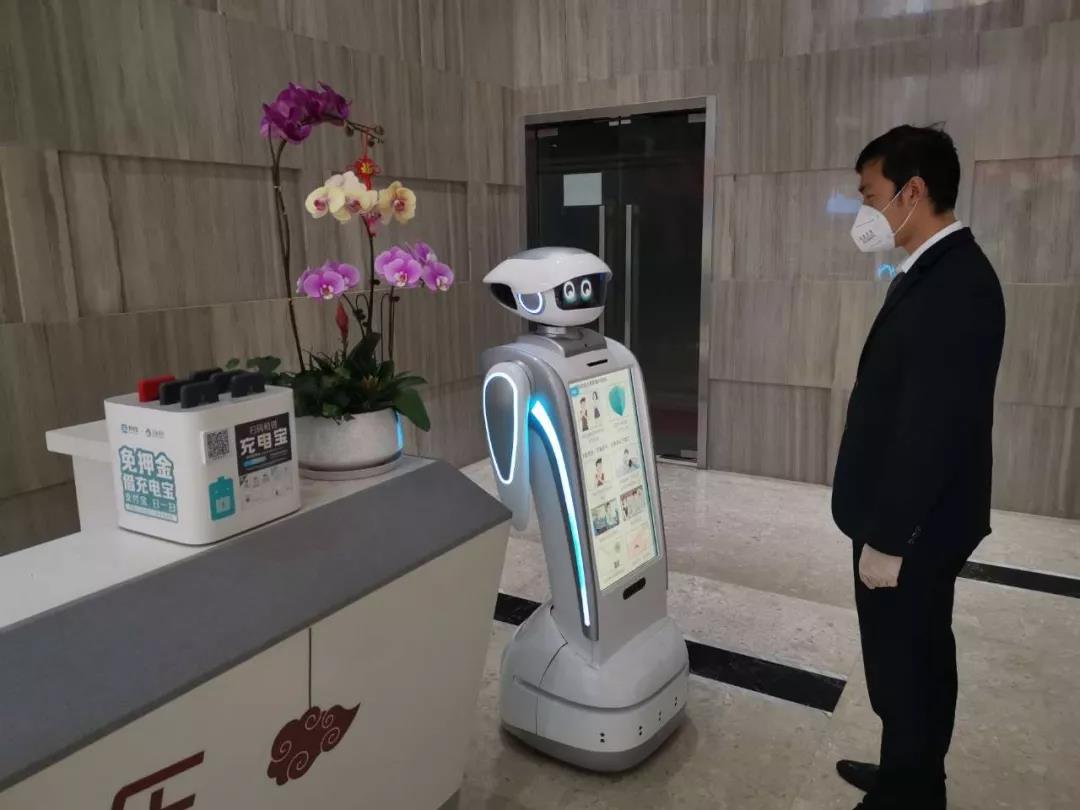
Hotel automation has become one of the most important trends in the global hospitality industry, and hotel service robots have moved from being a high-end novelty to standard operational equipment for all types of hotels, including luxury hotels, business hotels, mid-scale chains, economy properties, and boutique resorts. These robots handle in-room delivery, front desk assistance, guest guidance, public area disinfection, and basic information consultation. By taking over repetitive and labor-heavy tasks, they improve service efficiency, lower long-term labor costs, enhance guest satisfaction, and even help improve online ratings and booking rates.
For hotel owners, operations managers, procurement teams, and investment planners, the most practical first question is simple: how much does a hotel service robot cost? This question involves more than just the upfront purchase price; it covers full lifecycle costs, long-term value, and real return on investment for hotel operations.
In 2026, the hotel service robot market is mature, with pricing clearly segmented by function, navigation technology, intelligence level, brand, and after-sales support. The total cost of a hotel service robot includes multiple components across its entire usable life. This guide explains every cost part, shows real market price ranges, identifies what influences final pricing, and helps readers understand the full cost of ownership.
As a leading global provider of commercial and hotel service robots, IBEN delivers stable, cost-effective solutions trusted by thousands of hotels worldwide. This breakdown uses real market data and IBEN’s product structure to offer accurate, practical insights for hospitality decision-makers.
What Is Included in the Cost of a Hotel Service Robot
The total cost of a hotel service robot covers the full lifecycle of the device, not just the upfront hardware price. These components work together to ensure stable operation, functional completeness, and long-term usability, and each part plays an irreplaceable role in the total investment.
-
Core Robot Hardware Cost: The largest part of the total investment, including the robot body, mobile chassis, navigation sensors, battery, touchscreen, delivery bin, shell, and control components. Higher configuration hardware improves stability and service life but increases the basic cost.
-
Software & AI System Cost: Covers navigation algorithms, voice interaction, elevator control, and hotel-specific intelligent functions. Basic software is usually included in the initial price, while advanced cloud services require additional ongoing costs.
-
Deployment & Installation Cost: Includes on-site environmental mapping, path planning, network configuration, elevator docking, and system commissioning, which is essential for stable operation in complex hotel environments.
-
After-Sales & Maintenance Cost: Covers regular inspection, sensor calibration, fault repair, and parts replacement to ensure 24/7 stable operation and avoid service interruptions.
-
Software Updates & Functional Upgrades: Provides system optimization and new function expansion to keep the robot adapting to changing hotel service needs and extending its service life.
-
Accessories & Customization Cost: Includes branded appearance, custom voice, multi-language support, and special delivery trays, which enhance brand image but add to the total cost.
2026 Hotel Service Robot Price Ranges by Type
Hotel service robots are not one-size-fits-all, and prices vary sharply based on purpose, performance, and scenario. In 2026, the global market divides hotel robots into three clear categories with stable and recognizable pricing.
Basic room delivery robots represent the entry-level segment, built mainly for simple item delivery such as towels, toiletries, water, and snacks. These robots use basic navigation, single-layer bins, and standard battery life for daily use. Their affordable cost makes them ideal for small hotels, economy properties, and hotels with limited early automation budgets.
Mid-range multi-function robots are the most popular choice in today’s market, balancing performance and cost. Beyond reliable delivery, they include AI voice interaction, automatic elevator control, multi-floor movement, guest guidance, and basic hotel consultation. Most use advanced navigation that requires no complex environment changes, enabling fast and flexible deployment. These robots are widely used in business hotels, mid-scale chains, and urban premium hotels.
Premium full-service robots target large, luxury, or international chain hotels. They feature enterprise-grade hardware, multimodal AI interaction powered by large models, multi-language support, high-precision navigation, and strong environmental adaptability. Many also add disinfection, background data reporting, and deep brand customization. While the price is higher, their stability, intelligence, and service capacity deliver long-term value matching high-standard hotel operations.
Key Factors That Affect Hotel Service Robot Cost
The final price of a hotel service robot is determined by a combination of technical and functional factors. Understanding these points helps hotels choose the right configuration without overpaying or sacrificing quality.
-
Navigation Technology: Entry-level robots use inertial + QR code navigation with lower cost; mid-to-high-end models adopt laser SLAM/VSLAM navigation, which has higher precision and no environmental modification, leading to higher costs.
-
Battery Capacity & Working Time: Robots with 12-16 hours of long-term operation use large-capacity batteries, which are more durable and increase the total cost compared to standard 8-10 hour batteries.
-
AI Interaction Level: Basic voice prompt robots are cost-effective, while robots with AI large model, multi-round dialogue and emotional interaction have higher R&D costs and higher pricing.
-
Delivery Structure & Payload: Single tray models are low-cost; double-layer, sealed, heat-preserving bins with larger payload require more complex design and production, increasing the cost.
-
Brand & After-Sales Support: Small brands have low upfront costs but weak support; well-known brands with global after-sales networks have slightly higher prices but more stable long-term value.
-
Customization Requirements: Standard models have no extra fees, while personalized customization such as appearance, voice and system integration will add additional costs according to demand.
Rental vs Purchase: Which Saves More for Hotels?
Many hotel operators debate whether to purchase or rent service robots. The two models have different cost structures and fit different operational needs, so hotels should choose based on business cycle, budget, and usage plan.
Purchasing a hotel service robot means a one-time investment covering hardware, basic deployment, and an initial warranty period. This model suits hotels planning long-term use, including chain hotels, fixed-location properties, and hotels with stable daily demand. Once purchased, the robot becomes a fixed asset and delivers continuous value for years with proper care.
Renting a hotel service robot means a fixed monthly fee that usually includes equipment use, basic maintenance, software updates, and technical support. This model requires almost no upfront payment and offers strong flexibility. It works especially well for seasonal hotels, short-term promotions, trial runs before full deployment, and small hotels with limited cash flow.
Over the long term, purchasing becomes more cost-effective after about 12 to 18 months of use, as monthly rental fees add up over time. However, rental allows hotels to adjust quantity or pause service based on business changes, which benefits hotels with unstable or seasonal demand.
Maintenance & Operating Cost: Annual Budget Guide
After initial purchase or rental, hotels should budget for regular annual operating and maintenance costs to keep robots stable. These ongoing costs are low compared to labor expenses but necessary to ensure long service life. Annual maintenance costs account for about 8-12% of the robot’s purchase price, covering routine inspections and calibration. Battery replacement is needed every 2-3 years, with a moderate cost that is easy to budget for. Software service fees for cloud functions are minimal, and consumable parts such as wheels and touchscreen protectors involve very low annual expenses.
IBEN hotel service robots are designed for low maintenance, with durable structures, long-life batteries, and free basic software updates, effectively reducing annual operating costs for hotels.
ROI Calculation: Is a Hotel Service Robot Worth the Cost?
The core value of a hotel service robot lies in the economic benefits it creates. The most direct benefit is labor cost savings, as robots take over a large number of repetitive delivery and guidance tasks, reducing staffing and overtime costs. Service efficiency is also greatly improved, with shorter guest waiting times and more stable service quality, which helps increase positive online reviews and occupancy rates.
Modern guests highly recognize intelligent services, and robots help hotels form a differentiated brand image and enhance market competitiveness. Most hotels achieve full ROI within 12-24 months of deploying a robot, and the equipment continues to generate net benefits for 3-5 years or longer.
IBEN Hotel Service Robot: Cost-Effective & Reliable Choice
IBEN is a trusted provider of hotel service robots with professional solutions for the global hospitality industry. Our robots use advanced laser SLAM navigation, requiring no QR codes or environmental modification, and support stable multi-floor operation with automatic elevator control. The large-capacity battery supports 12+ hours of continuous work, fully meeting 24-hour hotel operation needs.
The AI voice system supports multiple languages and natural dialogue, and the robot’s durable design reduces failure rates and maintenance costs. IBEN provides a global 7×24 after-sales service network, including localized support in major markets. Our hotel robots are positioned in the mid-to-high-end range with cost-effective prices, and we offer both purchase and flexible rental plans to meet different hotel budget needs.
Common Mistakes That Increase Hotel Robot Costs
Choosing the cheapest robot without quality verification leads to frequent failures and higher long-term repair costs. Robots that require QR code layout or environmental reconstruction add hidden installation expenses. Ignoring after-sales support shortens the robot’s service life and causes unexpected downtime. Overlooking system integration makes the robot an isolated device, failing to realize full intelligent automation value.
Conclusion: Understand the Full Cost Before Investing
In 2026, the price of a hotel service robot ranges from entry-level basic models to high-end full-service versions, depending on functions, configuration, brand and customization. The real total cost includes hardware, software, deployment, maintenance and daily operation. For hotels pursuing efficiency, cost reduction and guest experience improvement, a hotel service robot is a high-ROI strategic investment.
Choosing a reliable supplier like IBEN ensures stable performance, reasonable pricing and comprehensive support, helping hotels maximize the value of intelligent automation while controlling costs effectively.
FAQ
How long does a hotel service robot last?
With proper maintenance, a high-quality hotel service robot can provide stable service for 3-5 years.
Do hotel robots need a continuous internet connection?
Basic tasks work offline, while cloud functions and updates require internet access.
Can hotel robots connect with different elevator systems?
Yes, IBEN hotel robots support standard elevator docking protocols and adapt to most elevator brands.
Is staff training provided when deploying a hotel robot?
IBEN provides free professional training for hotel staff to ensure proficient operation.
Can the robot be customized to match the hotel brand?
Yes, we support appearance, voice, language and function customization to fit hotel brand image.