Automatic industrial robot solutions represent the culmination of manufacturing automation, combining autonomous navigation, AI-powered decision-making, and comprehensive IoT integration to create self-managing production systems. Unlike semi-automatic solutions requiring human intervention for task assignment and exception handling, fully automatic systems operate continuously with minimal supervision, responding dynamically to production signals, inventory levels, and operational conditions without manual coordination.
The distinction between automatic and semi-automatic solutions proves critical for achieving true lights-out manufacturing. Semi-automatic systems require operators to assign tasks, manage exceptions, and coordinate fleet activities. Automatic solutions handle these responsibilities autonomously through self-organizing networks, AI-driven decision-making, and comprehensive enterprise system integration. This operational independence enables 24/7 production with skeleton crews focused on supervision rather than coordination.
Technologies Enabling Fully Automatic Operation
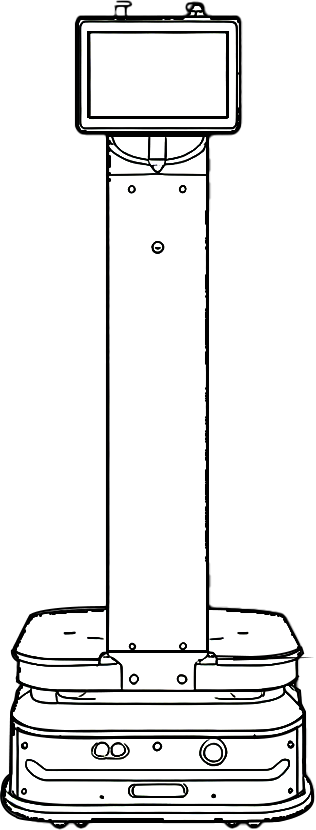
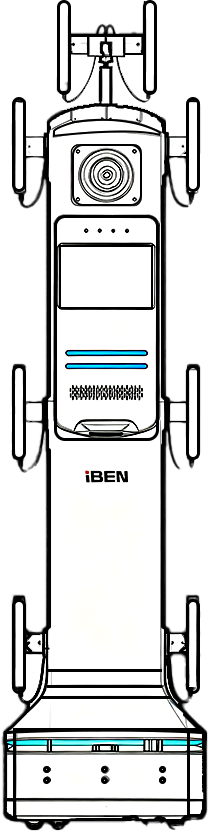
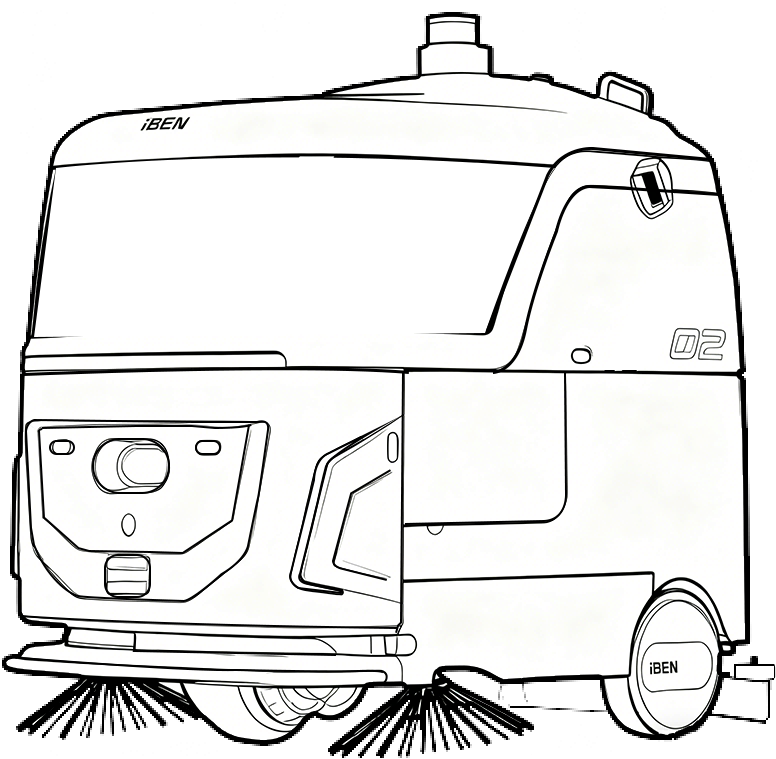
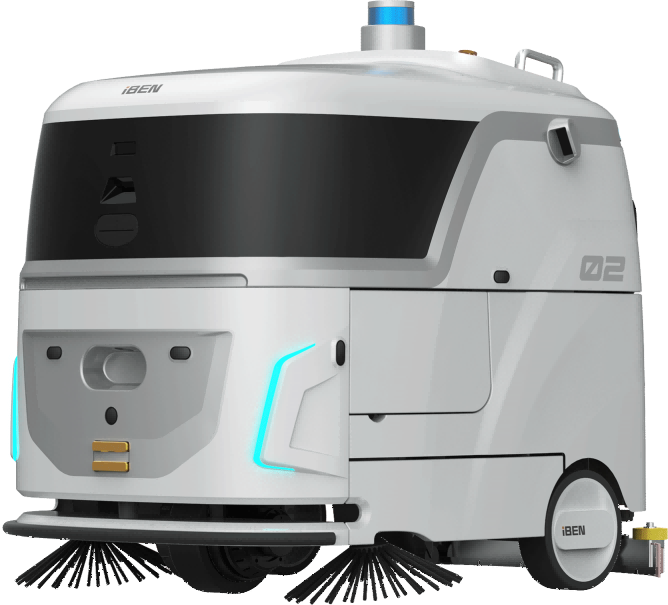
Automatic industrial robot solutions depend on beacon-free navigation operating without fixed infrastructure. Magnetic strips, QR codes, and reflective markers constrain traditional AGVs to predetermined paths requiring manual dispatch and route changes. Advanced fusion navigation combining laser SLAM with visual SLAM creates comprehensive environmental understanding enabling dynamic path planning around obstacles and congestion. The iBEN X300 exemplifies this approach, achieving ±5cm positioning accuracy through adaptive industrial scene recognition without requiring any facility modifications.
Self-organizing fleet coordination forms the operational foundation of automatic solutions. Centralized scheduling systems create bottlenecks and single points of failure as fleet size increases. Distributed architectures enable robots to communicate in real-time, sharing task status, position data, and environmental information. Autonomous task allocation distributes work based on robot availability, position, battery status, and workload balance without human intervention. This self-organization scales seamlessly from pilot deployments to large fleets managing complex multi-building operations.
IoT integration and automatic dispatching create the perception-decision-execution loops essential for autonomous operation. Comprehensive connectivity with production line equipment, inventory sensors, quality systems, and enterprise platforms provides the data streams triggering automatic robot responses. Production line signals indicating material needs dispatch robots without manual requests. Inventory level sensors trigger replenishment workflows automatically. Quality inspection results route products appropriately without human coordination. This full-scenario integration eliminates manual intervention across normal operations.
AI-Powered Intelligence and Autonomous Optimization
Artificial intelligence elevates automatic industrial robot solutions from programmed responses to adaptive, learning systems. AI large models enable pattern recognition identifying operational inefficiencies invisible to rule-based systems. Predictive analytics forecast maintenance needs based on performance trends, preventing unexpected failures. Autonomous optimization adjusts routing algorithms, task allocation strategies, and operational parameters based on performance data without human programming.
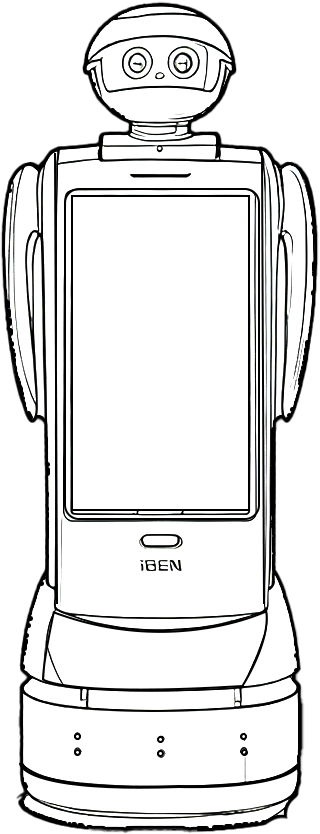
iBEN Robot has integrated advanced AI capabilities into their automatic solutions, enabling robots to improve continuously through operational experience. The systems analyze historical data identifying correlations between operational patterns and performance outcomes. Machine learning models discover optimization opportunities that traditional programming approaches miss. As the fleet accumulates operational time, performance improves automatically through this continuous learning process.
Anomaly detection capabilities identify developing issues before they cause failures. AI models establish baseline performance patterns for navigation accuracy, battery consumption, task completion times, and system response. Deviations from normal patterns trigger investigations and proactive interventions. This predictive approach prevents minor issues from escalating into costly downtime events.
Industry Applications of Automatic Solutions
Semiconductor manufacturing operations run continuously with minimal staffing, making automatic industrial robot solutions particularly valuable. Fabs operate 24/7 to maximize expensive equipment utilization, requiring material handling systems that function autonomously without constant supervision. Automatic robots integrate with AMHS systems and stocker interfaces, responding to wafer requests and chamber completions without human coordination. The beacon-free navigation of systems like iBEN's X300 proves essential in cleanrooms where magnetic tape creates contamination risks.
Automotive manufacturing demands synchronized material delivery supporting just-in-time production without buffer inventory. Automatic industrial robot solutions integrated with MES receive production schedules and work order updates, calculating material requirements and delivery timing autonomously. As assembly lines consume components, robots automatically replenish stations based on programmed kanban thresholds or direct production equipment signals. This automatic synchronization maintains lean operations without manual coordination overhead.
E-commerce warehousing experiences extreme volume fluctuations requiring flexible automation that scales automatically. Automatic industrial robot solutions monitor order queues and workload distribution, dynamically allocating tasks across available robots to maintain service levels. During peak periods, the entire fleet operates at maximum capacity with optimal task distribution. During quiet periods, robots automatically rotate to charging stations maintaining battery levels for the next surge. This automatic scaling optimizes resource utilization without manual fleet management.
Implementation Strategy for Automatic Solutions
Deploying automatic industrial robot solutions requires more comprehensive planning than semi-automatic systems due to deeper integration requirements. Automation readiness assessment evaluates process maturity, data infrastructure, and integration architecture. Automatic solutions require stable, well-documented processes with reliable data from production systems and sensors. Facilities with high process variability or frequent manual interventions should standardize workflows before pursuing full automation.
Solution architecture design addresses both physical layouts and logical integration flows. Physical design maps robot routes, charging locations, material transfer points, and safety zones. Logical design specifies data flows between robots, equipment, and enterprise systems, defining trigger conditions for automatic dispatching. Comprehensive modeling simulates robot movements identifying congestion points and optimizing layouts before physical implementation.
Pilot validation proves particularly important for automatic solutions given their operational autonomy. Deploying 2-4 robots with full automatic integration validates dispatching reliability, integration accuracy, navigation performance, and exception handling. The pilot should exercise all trigger conditions and failure scenarios to verify system responses match requirements. iBEN's 30-minute deployment enables rapid pilot initiation, with comprehensive validation data collectible within 6-10 weeks.
Performance and ROI of Automatic Solutions
Automatic industrial robot solutions deliver 40-60% higher operational efficiency compared to semi-automatic systems through continuous optimization and elimination of human intervention delays. The fully automatic operation maintains consistent performance across all shifts without productivity degradation from fatigue or staffing variations. System uptime exceeds 95% with automatic battery management, predictive maintenance, and self-recovery from minor issues.
Labor cost reductions prove substantial as automatic solutions minimize supervision requirements. While semi-automatic systems need operators continuously monitoring and coordinating fleet activities, automatic solutions require only periodic oversight verifying normal operation. A facility might reduce material handling staff from 6-8 full-time positions per shift to a single logistics coordinator managing multiple automated zones. This represents 75-90% labor reduction generating annual savings exceeding $400,000 for multi-shift operations.
Total return on investment accounts for labor savings, productivity improvements, quality enhancements, and flexibility value. Leading automatic industrial robot solutions achieve 3-6 month payback periods in high-volume manufacturing and logistics environments. Five-year ROI typically exceeds 400-600% when accounting for all value sources and operational cost savings. The rapid payback and strong returns explain accelerating adoption despite higher initial costs compared to semi-automatic alternatives.
Selecting Automatic Industrial Robot Partners
Evaluating automatic industrial robot solution suppliers requires verifying true automatic capabilities versus marketing claims. Request demonstrations of self-organizing fleet coordination, automatic dispatching triggered by production signals, and autonomous exception handling. Verify AI-powered intelligence beyond basic navigation, including continuous learning and performance optimization. Assess integration breadth across WMS, MES, ERP, and production equipment.
Implementation support proves critical given the complexity of automatic solutions. Comprehensive readiness assessment and solution architecture design capabilities distinguish suppliers offering true consulting from equipment vendors. Structured training programs addressing operator, maintenance, and administrator roles ensure teams can manage sophisticated systems effectively. Service infrastructure with guaranteed response times maintains the high uptime essential for automatic operations.
iBEN Robot delivers comprehensive automatic industrial robot solutions combining AI-powered intelligence, self-organizing coordination, comprehensive IoT integration, and rapid deployment. Their technology mastery across navigation algorithms, AI models, sensors, and complete systems enables fully automatic operation across demanding manufacturing environments. Serving 15,000+ global clients across 50+ countries demonstrates proven scalability and reliability. With 30-minute deployment and 3-6 month payback periods, iBEN's automatic solutions deliver the rapid value required for modern manufacturing competitiveness. Visit
https://en.ibenrobot.com/ to explore their automatic industrial robot solutions and request a customized assessment.